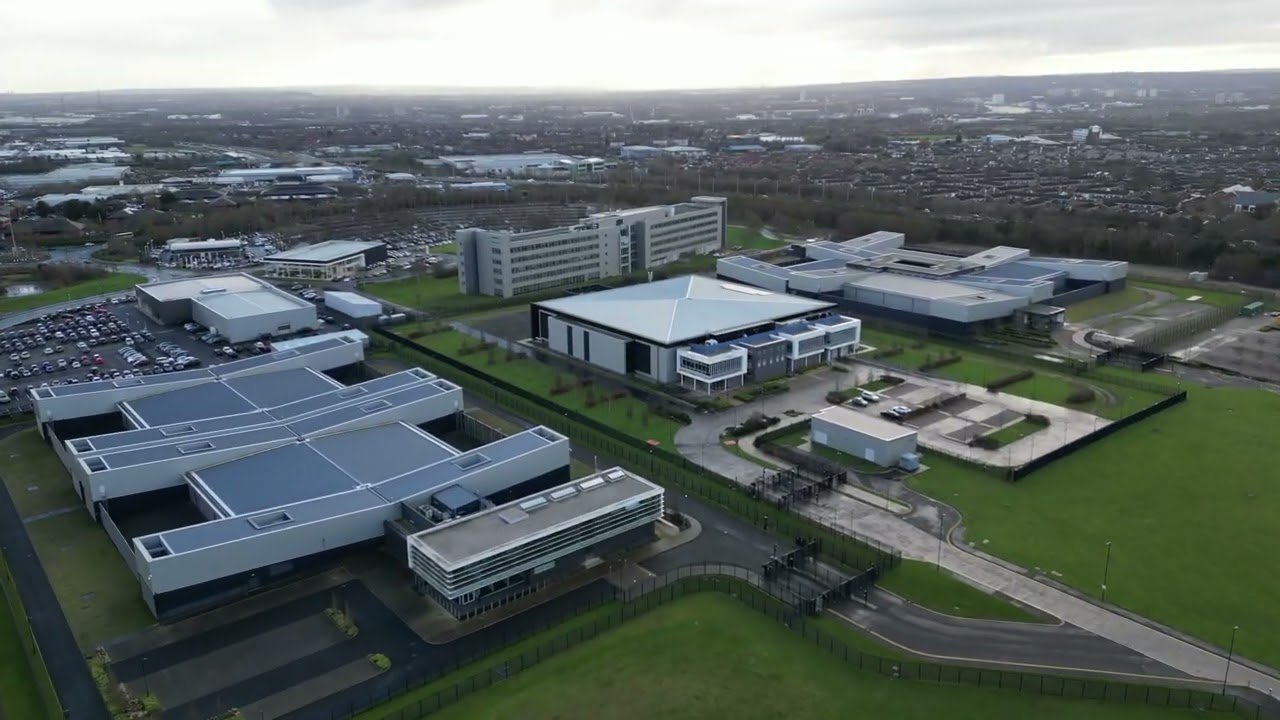
Nearly 100 new facilities planned as AI demand drives digital infrastructure growth
UK data centre:The UK is poised for a dramatic expansion of data centres, with planning applications indicating nearly 100 new facilities could be built in the coming years, driven by the soaring demand for artificial intelligence (AI) and cloud computing.
However, experts warn that this boom could strain energy resources and conflict with the UK’s net zero carbon emissions target by 2050.
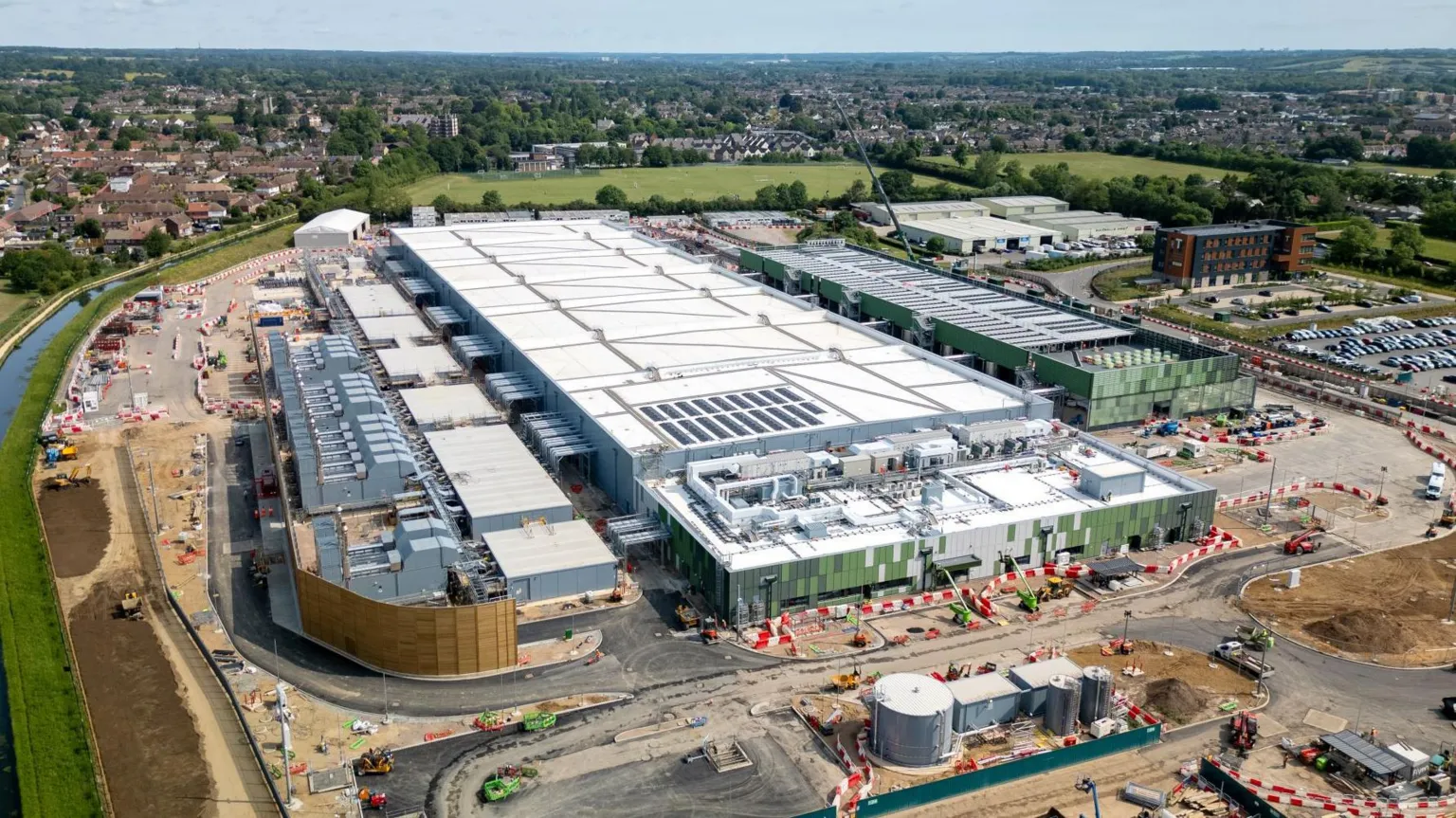
Data Centre Explosion AI and Cloud Computing Demand
A new report highlights that 97 new data centres are in the planning pipeline, with most expected to be operational within five years.
These facilities, essential for storing and processing vast amounts of digital data, are critical to supporting AI applications, cloud services, and streaming platforms like Netflix.
The growth in AI is a massive driver,” said Emma Fryer, associate director at techUK, noting that large language models require significant computing power, fueling the need for more data centres.
Economic Opportunities
The surge in data centres could bring substantial economic benefits, including job creation and infrastructure investment. Data from techUK indicates that the sector already supports 40,000 jobs and contributes £4.5 billion annually to the UK economy.
Severfield, a structural steel firm, has seen its share price rise in response to the anticipated construction boom, as noted in a discussion on London South East’s share chat forum.
Environmental Challenges Energy Consumption Concerns
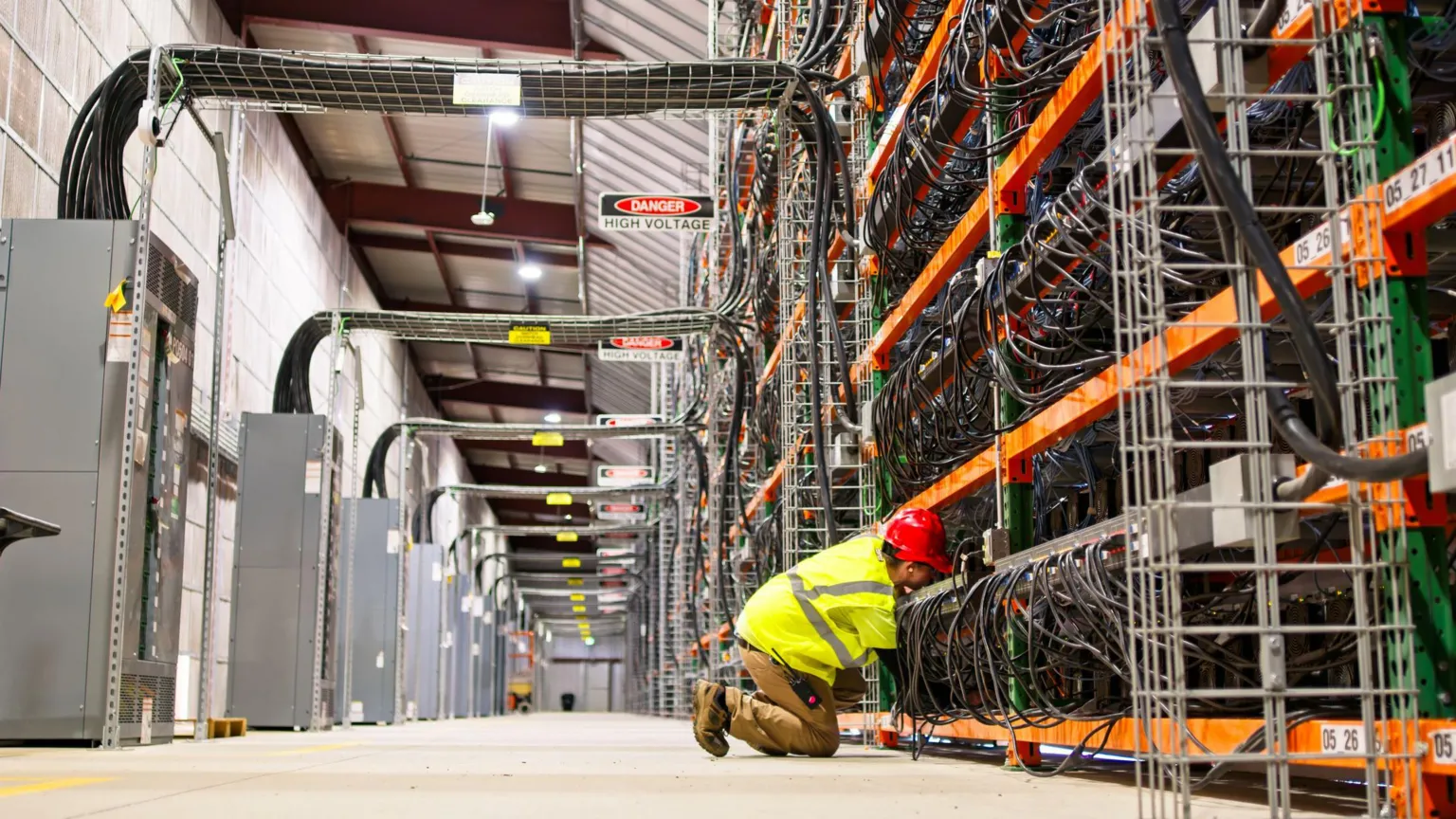
Data centres are notorious for their high energy demands, with global estimates suggesting they account for 1-2% of electricity use. In the UK, their consumption could double to 10% of the nation’s electricity by 2030, according to industry forecasts.
This poses a challenge to the UK’s net zero goal, as fossil fuel reliance could increase if renewable energy infrastructure fails to keep pace. “We need to balance growth with sustainability,” said Dr. Sarah Patel, an energy analyst at GreenTech Solutions.
You may aslo like:
Elon Musk’s Tesla Seeks to Power UK Homes with Electricity Supply License
Scottish Scientists Develop AI-Powered ‘Superpower’ Glasses to Enhance Hearing
Infrastructure Strain
The rapid expansion raises concerns about grid capacity, particularly in areas like the M25 corridor, where 80% of planned data centres are concentrated. National Grid has warned that upgrading infrastructure to meet this demand could take years, potentially delaying projects.
Posts on X highlight public unease, with some users questioning whether the UK’s energy system can support this growth without compromising environmental commitments.
Planning and Community Impact Local Resistance
Many proposed data centres face opposition from local communities, particularly in rural areas like Buckinghamshire and Lincolnshire.
Residents cite concerns over noise, visual impact, and the loss of green spaces. For instance, a planned facility in Iver, Buckinghamshire, has sparked protests over its potential to disrupt local ecosystems.
It’s a trade-off between tech progress and preserving our countryside,” said local campaigner Jane Wilson.
Regulatory Hurdles
The planning process for data centres is complex, with only one in five applications typically approved, per techUK data. The Labour government’s push to streamline planning regulations could accelerate approvals, but environmental assessments remain a significant barrier.
Experts urge policymakers to align data centre growth with renewable energy development to mitigate community and ecological concerns.
The Path Forward Sustainable Solutions
To address energy challenges, industry leaders are exploring innovative solutions. Microsoft’s data centre in West London, for example, uses waste heat to warm nearby homes, a model that could be replicated.
The sector is also investing in renewable energy, with some facilities powered by solar and wind. “Sustainability is critical to the industry’s future,” said Fryer, emphasizing the need for green technology adoption.
Policy and Investment Needs
The report calls for government action to boost renewable energy capacity and upgrade the national grid. Collaboration between tech firms, energy providers, and policymakers is essential to ensure data centre growth aligns with the UK’s climate goals.
The GENIUS Act in the US (signed July 2025) offers a potential model for incentivizing green tech innovation, as discussed in recent tech policy debates.
Source: This article is based on a report by Chris Vallance, published by BBC News on August 14, 2025. Additional context was drawn from posts on X discussing data centre growth and environmental impacts.