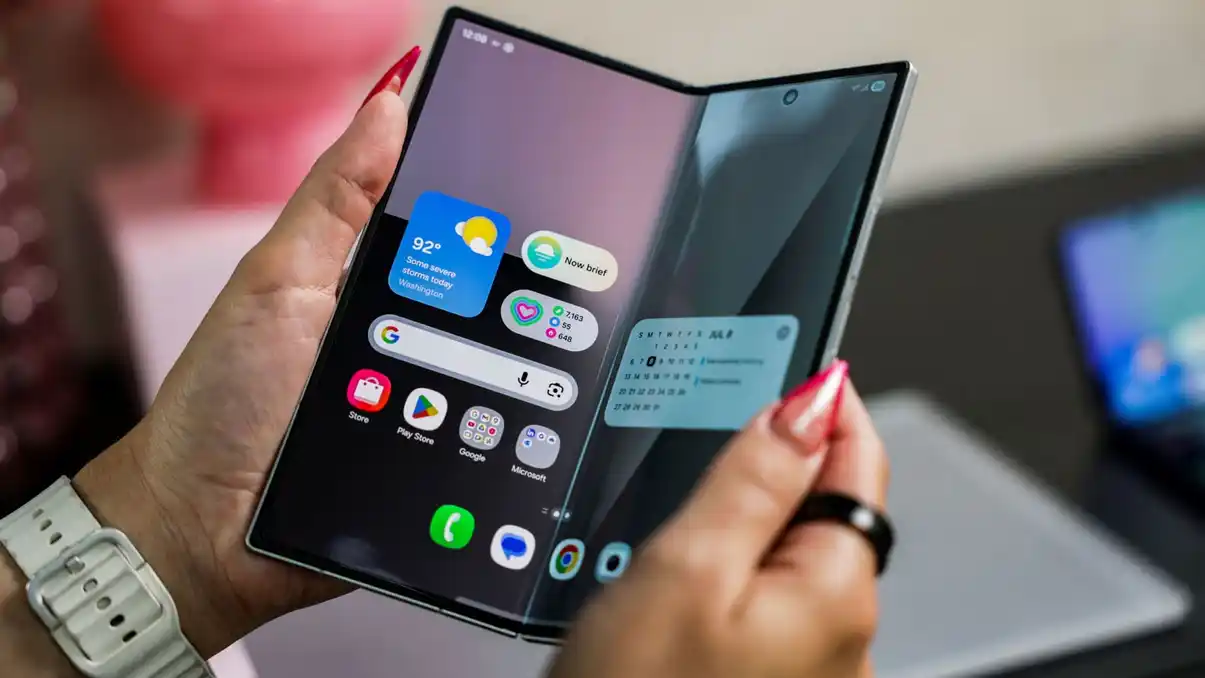
How Bedroom Technology Impacts Your Child’s Sleep
Many teenagers start their day exhausted, often relying on caffeine to stay alert. The primary reason is clear: bedroom devices reduce both the duration and quality of children’s sleep, with consequences that extend beyond late-night screen time.
Teachers across the country report classrooms full of yawning students. The culprit? Cell phones and screens, tablets, and computers follow kids into their bedrooms each night.
Research Highlights Concerning Trends
Dr. Ben Carter and his team at King’s College London analyzed data from 125,198 children across multiple countries. Their findings, published in JAMA Pediatrics, show a “strong and consistent association” between bedtime media use and sleep problems.
The study examined children with an average age of 14½ years. Results were consistent across different countries and settings, making the findings particularly compelling.
Unexpected Findings
Researchers found that even when children do not actively use devices at bedtime, simply having technology in the bedroom is associated with more sleep disturbances. Notifications and the presence of devices can disrupt sleep cycles.
The lights, sounds,Lights, sounds, and stimulating content from these devices can affect sleep quality, even if the devices are not in use. Their presence alone can interfere with restful sleep. Interrupts Sleep
Three key factors explain how devices interfere with rest:
Delayed Sleep Time: Children stay awake longer to finish movies or play “just one more game.”
Disrupted Circadian Rhythm: Electronic light delays melatonin release, making it harder to fall asleep naturally.
Psychological Stimulation: Online content keeps minds racing long after devices are turned off.
You May Also Like:
The Extent of the Issue
According to the National Sleep Foundation, 72% of all children and 89% of teens have at least one device in their sleep environment. Most use this technology near bedtime.
Dr. Sujay Kansagra from Duke University Medical Center emphasizes the stakes: “Sleep plays a crucial role in brain development, memory, self-regulation, attention, immune function, cardiovascular health, and much more.”
Recommendations from Experts
Sleep specialists offer clear guidance for better rest:
- Remove all electronics from bedrooms.
- Create 30 minutes of “gadget-free transition time” before bed.
- Establish regular sleep schedules.
- Keep bedrooms quiet, dark, and comfortable.
- Avoid stimulating activities close to bedtime.
The Bottom Line
Bedroom devices that offer connectivity often result in poor sleep for children. The issue is clear, as is the solution, but it requires consistent effort to implement.
Remove technology from the bedroom to create an environment dedicated to rest and relaxation. This change will benefit your child’s development and overall well-being.
Prioritizing device-free bedrooms is essential for improving your child’s sleep quality.