AI Features : Better Cameras, Faster Processors

AI Features

As we approach the second half of 2025, smartphone technology is witnessing a significant leap forward, driven by AI features that enhance every aspect of the user experience. From better cameras to faster processors and groundbreaking AI capabilities, manufacturers are prioritizing these advancements to deliver more powerful, efficient, and user-friendly devices.

AI Features: The Core of Innovation

At the heart of this progress are AI features, which are now the backbone of smartphone innovation. These technologies are enabling devices to handle complex tasks with unprecedented ease, while also optimizing user interactions.

With the advent of machine learning and deep neural networks, smartphones are now able to analyze user behavior, predict needs, and automate tasks with remarkable precision.

As a result, users enjoy smarter, more personalized experiences.

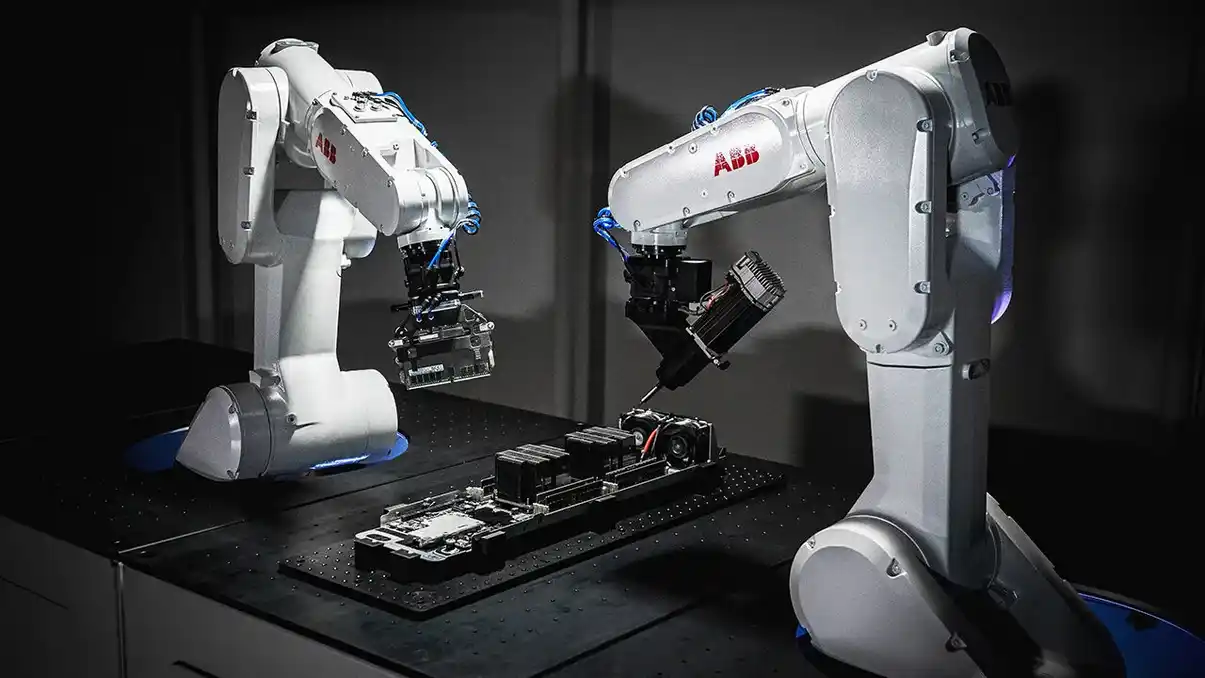
AI-powered robots revolutionize e-waste recycling

The new version of the Pixel Fold is dustproof and has a gearless hinge.

This shift is not just about adding cool features; it’s about improving the fundamental performance of smartphones. AI is enabling cameras to recognize scenes, adjust settings automatically, and even enhance images in real time.

Processor speeds are also being boosted with AI, ensuring that tasks are completed faster and more efficiently, whether it’s running apps, processing photos, or managing battery usage.

Better Cameras Powered by AI

One of the most notable areas benefiting from AI advancements is smartphone cameras. Today’s devices feature sophisticated AI tools that dramatically improve image quality. With AI-driven enhancements, cameras can detect scenes such as landscapes, portraits, or low-light settings, adjusting the settings accordingly for the best possible outcome.

The AI-powered autofocus also ensures sharp focus even in challenging conditions, and real-time optimization algorithms enhance colors and details, creating stunning photos without the need for manual adjustments.

Leading brands like Apple, Samsung, and Google are at the forefront of these innovations. For example, Google’s Pixel series leverages AI to fine-tune photos with features like Night Sight for low-light performance and Super Res Zoom for improved digital zoom quality. Meanwhile, Samsung’s Galaxy lineup has introduced AI-based image stabilization, ensuring steady and clear video recording even in motion-heavy environments (The Guardian, 2025).

Faster Processors, Enabled by AI

Alongside camera improvements, the speed of processors has seen a significant boost, courtesy of AI. Smartphone manufacturers are incorporating machine learning algorithms into their processors to optimize power consumption and boost processing power when needed.

The latest chips, such as Apple’s A17 Bionic and Qualcomm’s Snapdragon 8 Gen 3, utilize AI to distribute tasks more efficiently, enabling devices to handle multiple processes without compromising performance.

This boost in processing power also contributes to enhanced gaming, multitasking, and app performance, making smartphones faster than ever. The AI integration allows the processors to adjust their speeds depending on the task, offering a balance between high performance and energy efficiency (TechRadar, 2025).

AI Features and Efficiency: A Game Changer for Battery Life

In addition to improving camera and processor performance, AI is also playing a crucial role in optimizing battery life. With smart algorithms, AI helps devices learn user habits and optimize power usage based on activity patterns. For instance, the device may automatically adjust screen brightness, manage background processes, or even predict when to enter a low-power mode—all without user intervention.

This intelligent management helps extend battery life significantly, a key consideration for today’s smartphone users (TechCrunch, 2025).

Looking Ahead: AI Features and Future Innovation

While 2025 marks a major milestone in AI integration, the future looks even more promising. Experts predict that the next wave of smartphones will feature even more refined AI capabilities, including advanced natural language processing, predictive algorithms that learn user behavior, and even more powerful on-device AI that works offline.

These advancements will further improve how users interact with their phones, making them not only faster and smarter but also more intuitive and responsive to individual needs.

Disclaimer: This article contains unverified reporting and is subject to change as more information becomes available. All facts and details reflect the state of knowledge as of August 25, 2025, 10:00 AM GMT.


Sources:

Index
Scroll to Top