AI-Powered Robots Revolutionize E-Waste Recycling: Can They Really Take Your Phone Apart?
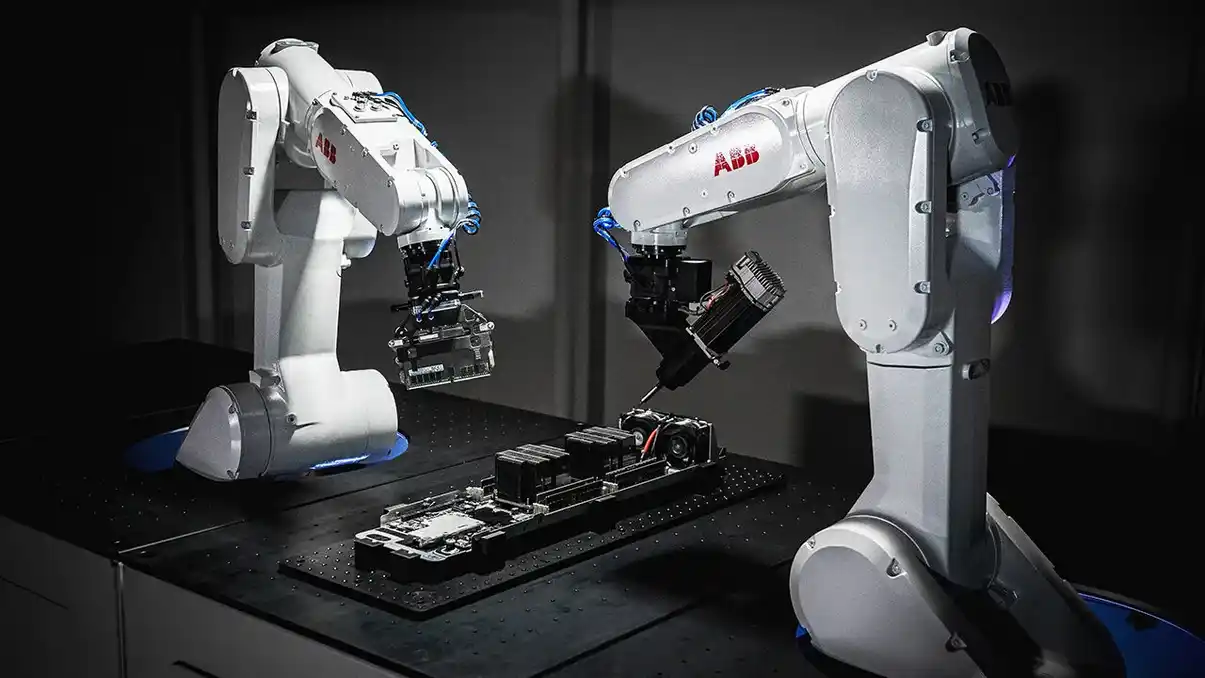
As electronic waste continues to mount globally, AI-powered robots are emerging as key players in the recycling process, particularly in disassembling smartphones.
These robots, equipped with cutting-edge artificial intelligence (AI), have the potential to dramatically improve the efficiency of recycling efforts by autonomously deconstructing complex devices like phones, which are traditionally difficult to dismantle by human hands.
The Rise of AI-Powered Robots in E-Waste Recycling
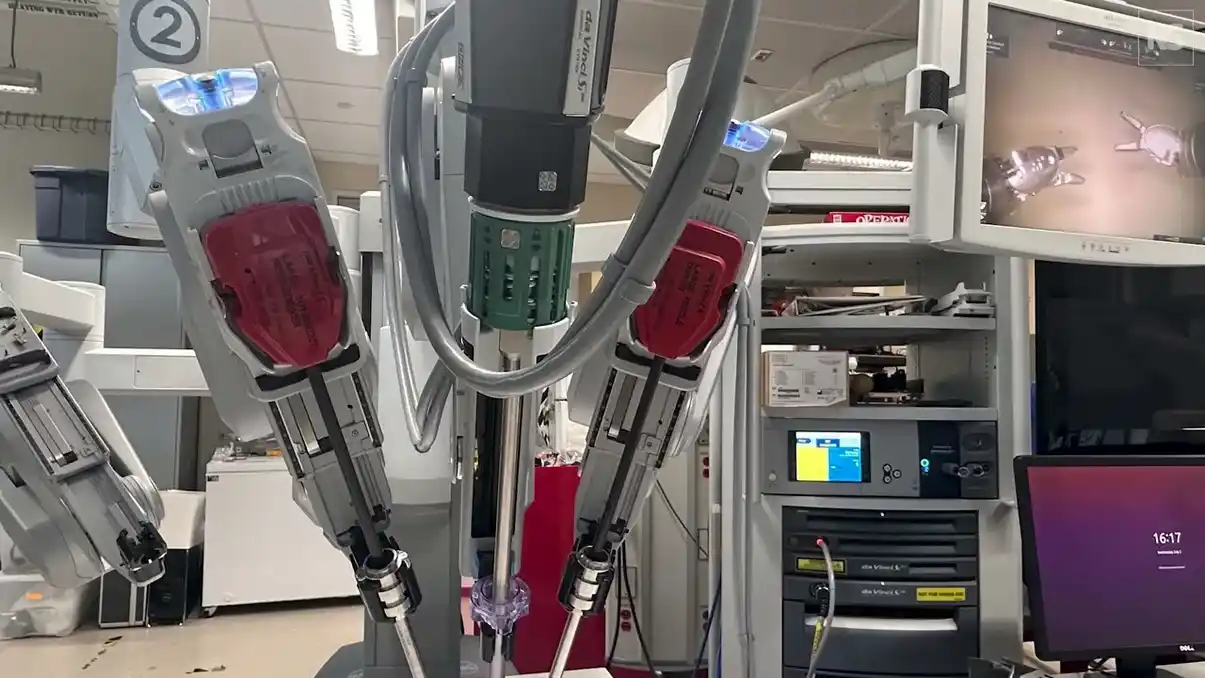
AI-powered robots, capable of identifying and carefully removing components from discarded smartphones, are reshaping how electronic waste (e-waste) is processed. This innovation comes in response to the increasing need for sustainable practices in electronics recycling, especially as millions of devices are discarded annually.
According to research from the Fraunhofer Institute in Germany, these robots use advanced machine learning algorithms to adapt and improve their efficiency in extracting valuable components like batteries, semiconductors, and metals from outdated electronics (1).
Efficiency and Sustainability
One of the primary benefits of AI-powered robots is their ability to work faster and more accurately than human workers, who are often limited by time, safety, and precision concerns. By using deep learning techniques, these robots can evaluate different types of smartphones, identify critical parts for recycling, and dismantle them with minimal waste.
Not only does this make the recycling process more efficient, but it also contributes to the broader goals of reducing e-waste and promoting a circular economy.
Claude’s New AI Feature Could Help You Shop Smarter—And It’s Already Taking Jobs
How Do These Robots Work?
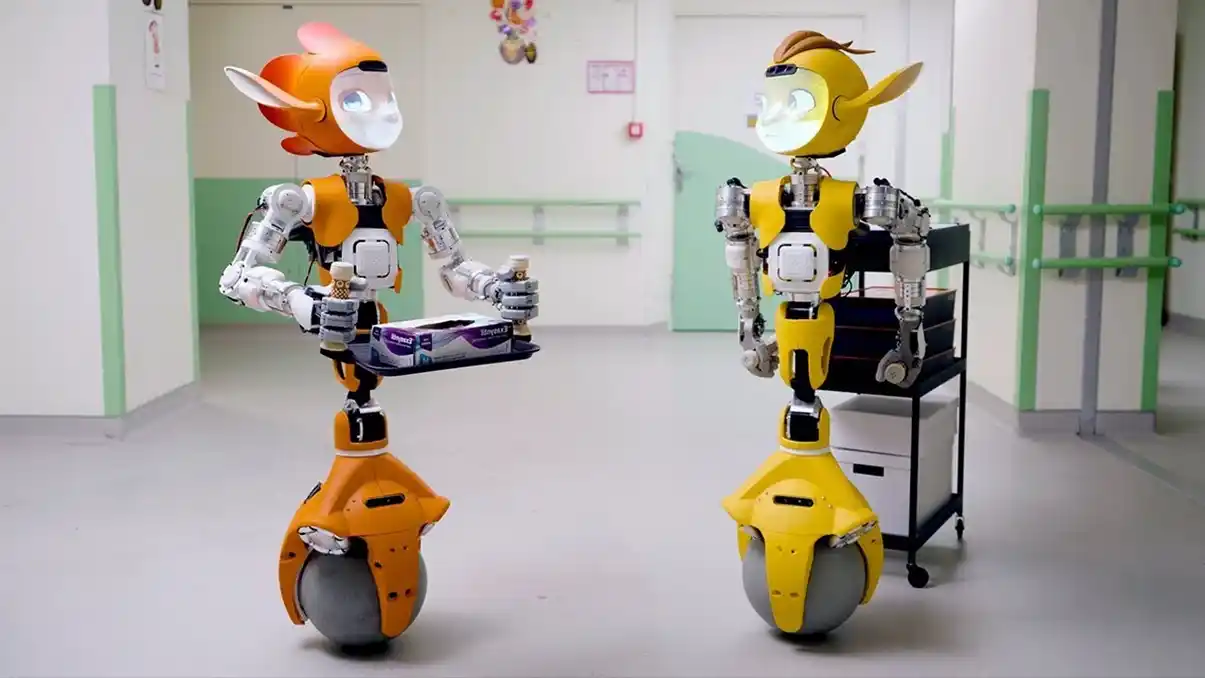
The robots utilize AI algorithms trained through reinforcement learning and imitation learning. This means they can learn from each disassembly and continue to improve their performance over time. Researchers at the University at Buffalo have been testing systems that allow robots to automatically identify various smartphone models, remove batteries, and separate recyclable components, such as metals and plastic.
This technology reduces the labor-intensive nature of e-waste recycling and ensures that valuable materials, often hard to recover, are properly reused (2).
Impact on the Electronics Industry
The deployment of AI-powered robots in recycling plants could also lead to a more effective use of the valuable resources found in smartphones, such as rare earth metals. Currently, the extraction of these materials from e-waste is a complex and environmentally damaging process.
AI robots, however, offer a less hazardous alternative by reducing the need for traditional mining and improving the recovery rates of these rare materials. This shift not only makes recycling more lucrative but also less harmful to the environment, addressing global concerns about sustainability.
Moreover, as these robots evolve, they could help tackle the issue of improper e-waste disposal, which has been a growing challenge in developing nations. Many electronics end up in landfills or are incinerated, leading to toxic chemical releases.
AI-powered robots can help solve this problem by making it easier and more cost-effective to recycle electronics in a responsible way.
Challenges and Future Directions
Despite the promise, there are still challenges to be addressed. The technology is still in the experimental phase, and the complexity of devices may require further refinement in robot design. Additionally, while AI-powered robots can improve efficiency, they still require significant upfront investments in AI development and robotics infrastructure, making it difficult for smaller recycling companies to adopt these innovations on a large scale.
What’s Next for AI-Powered Robots?
As researchers continue to advance these technologies, the future of AI-powered robots in e-waste recycling looks promising. Innovations in AI and robotics are likely to lead to even more precise and efficient robots, which could eventually become mainstream in recycling plants across the globe.
The next step will involve refining the technology to handle a broader array of devices beyond smartphones and integrating these robots into existing recycling infrastructures.
In summary, AI-powered robots are paving the way for a more sustainable future by transforming how we handle e-waste. By automating the disassembly of smartphones, they can help reduce environmental harm, recover valuable materials, and streamline the recycling process.
With continued advancements, these robots may become essential to ensuring the circular economy becomes a reality.
Disclaimer: This article is based on current information and developments in AI-powered robotics as of August 25, 2025. Some of the claims and perspectives mentioned may still be in the process of verification or development.
Sources: