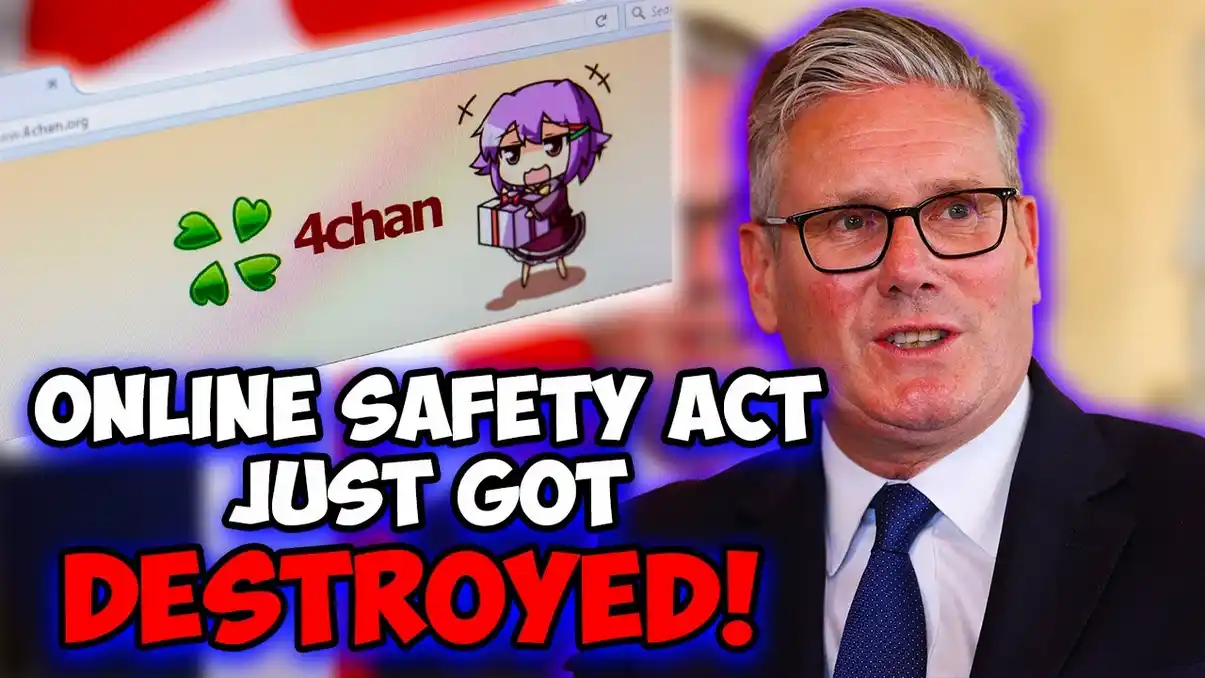
4chan trash fines proposed by the UK communications regulator, signaling a major standoff over global internet governance. The controversial online forum, known for its anonymous postings and history of extreme content, has vowed not to comply with penalties from Ofcom, the body enforcing Britain’s Online Safety Act.
This development highlights tensions between national safety regulations and international free speech principles, as 4chan’s legal team argues the fines hold no sway in the United States.
According to reports, Ofcom issued a provisional notice to 4chan earlier this month for failing to respond to information requests about its measures to protect users, particularly children, from illegal and harmful content. The initial penalty stands at £20,000, with ongoing daily fines accruing until compliance is met.
Yet, 4chan trash fines like these outright, with representatives declaring they will not remit a single payment.
This refusal stems from the platform’s US incorporation, where lawyers contend that foreign regulatory demands infringe on First Amendment rights.
Old fossil-fuel plants are becoming green-energy hubs
Preston Byrne, managing partner at Byrne & Storm, one of the firms representing 4chan, described the regulator’s actions as an “illegal campaign of harassment” against American tech entities. “4chan has broken no laws in the United States—my client will not pay any penalty,” Byrne stated emphatically.
In a joint statement with Coleman Law, the teams asserted that American businesses do not forfeit constitutional protections merely because a foreign authority issues demands via email.
This perspective adds a layer of geopolitical friction, as 4chan trash fines by appealing to broader US resistance against extraterritorial censorship.
From another angle, experts note the challenges in enforcing such penalties on offshore platforms. Legal analyst Emma Drake from Bird & Bird explained that while direct collection might prove difficult, Ofcom could escalate by seeking court orders to disrupt 4chan’s accessibility in the UK—such as removing it from search engines, halting payments, or even mandating internet service providers to block the site for British users if significant harm is demonstrated.
This potential for indirect enforcement underscores the Act’s intent to safeguard vulnerable users but also raises questions about overreach into global digital spaces.
4chan trash fines amid calls for intervention from the incoming Trump administration, urging the use of all diplomatic and legal tools to shield US companies from what they term “censorship mandates.” US authorities have reportedly been briefed on the matter, echoing recent successes like the withdrawal of UK demands for backdoors in tech systems, as highlighted by Director of National Intelligence Tulsi Gabbard.
Additionally, FTC Chairman Andrew Ferguson has warned tech giants against compromising American privacy to appease foreign laws, suggesting compliance could violate US statutes.
The platform’s storied past amplifies the nuance: Founded over two decades ago, 4chan has been linked to memes, harassment campaigns, hate speech, and even extremist activities, making it a frequent target for scrutiny. Critics of the Online Safety Act argue it may stifle free expression, while proponents emphasize its role in curbing online harms.
In this case, 4chan trash fines as a stand against perceived jurisdictional overstep, potentially setting precedents for other US-based services like Wikimedia, which has faced similar challenges.
If enforcement proceeds, 4chan’s lawyers have indicated readiness to contest in US federal courts, where they believe principles of non-enforcement of foreign penal codes will prevail.
Ofcom, meanwhile, has declined comment during the ongoing probe, maintaining that the Act focuses solely on protecting UK-based users.
This incident reflects wider debates on balancing online safety with freedom, especially as regulations like the EU’s Digital Services Act draw similar US pushback. Former cybersecurity leaders have cautioned that over-reliance on such laws could falter due to international resistance, advocating for innovative approaches beyond mere legislation.
As 4chan trash fines in this bold defiance, the outcome could influence how global platforms navigate conflicting legal landscapes.
Disclaimer: This report synthesizes unverified reporting as of August 26, 2025, 12:00 PM UTC. Details may evolve with new developments; readers should consult primary sources for updates.