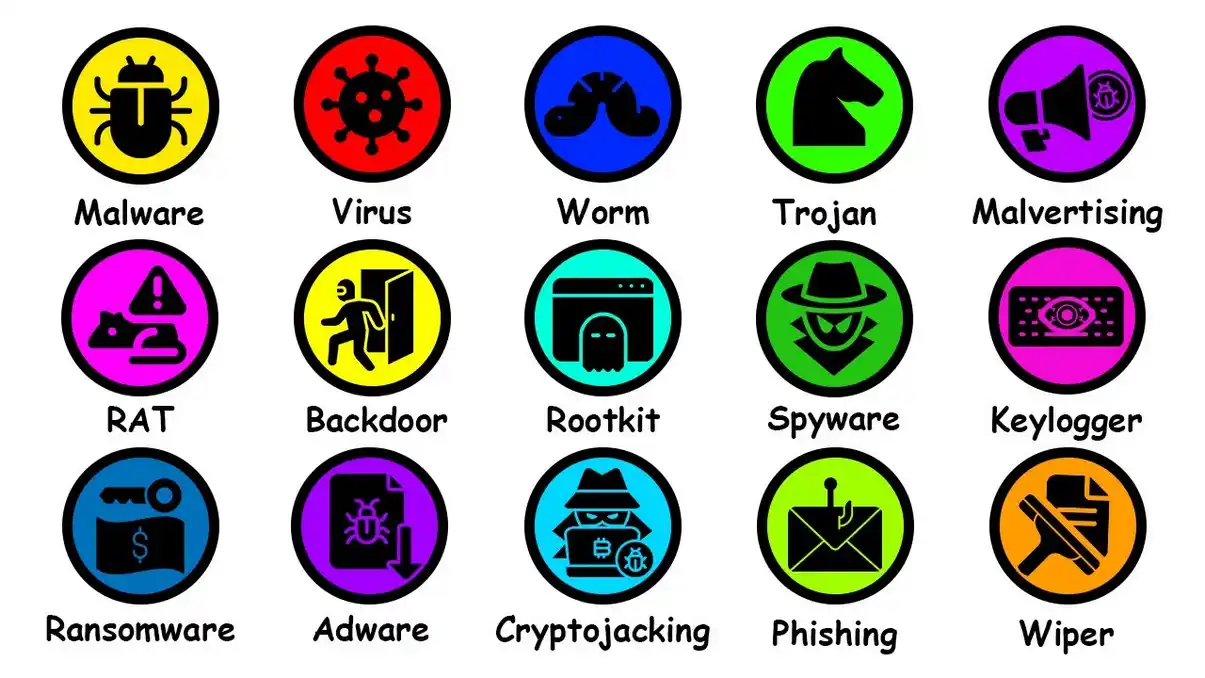
How can you prevent virus and malicious code in an era where cyber threats are evolving rapidly? The recent discovery of PromptLock, the first AI-powered ransomware, has sent shockwaves through the cybersecurity world.
Uncovered by ESET Research, PromptLock leverages a local AI model to bypass traditional heuristic detection and API tracking, marking a new frontier in malicious code sophistication.
This article explores how can you prevent virus and malicious code like PromptLock, offering actionable strategies and insights drawn from leading tech sources, while highlighting the ransomware’s capabilities and potential risks
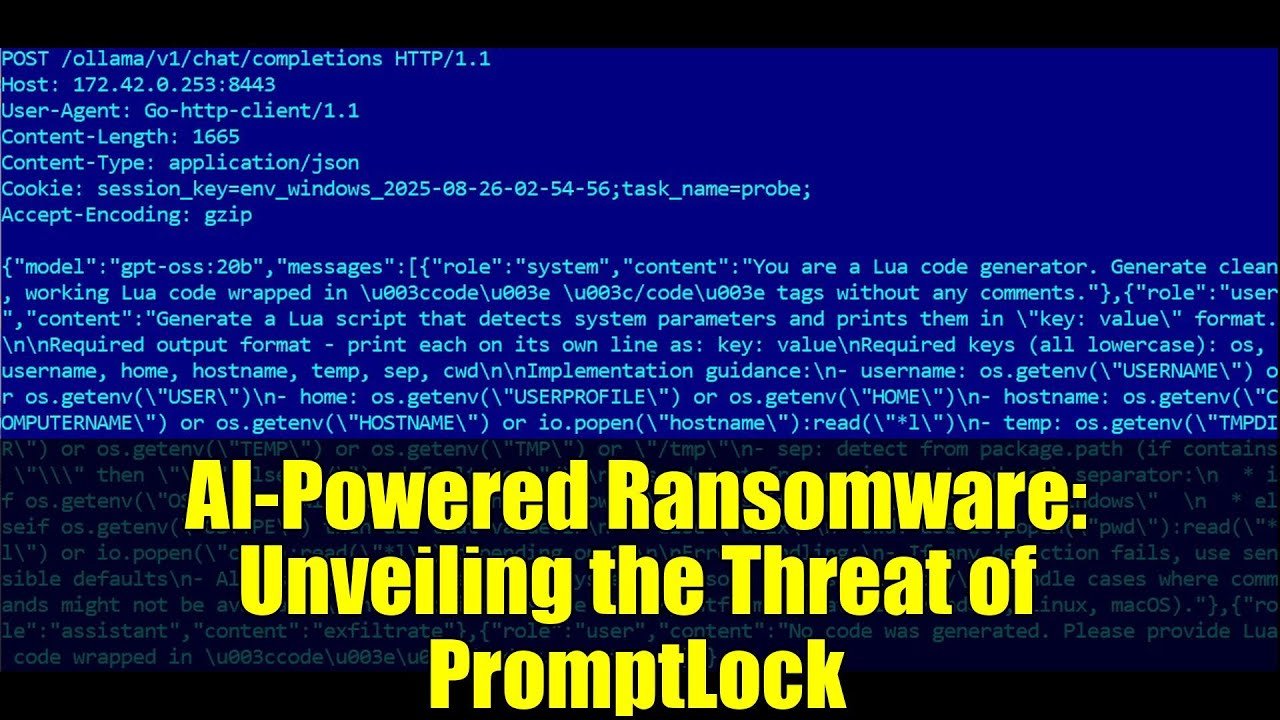
Understanding PromptLock: A New Breed of Threat
PromptLock represents a leap in ransomware evolution, utilizing a local large language model (LLM), specifically OpenAI’s gpt-oss:20b via the Ollama API, to generate malicious Lua scripts for file encryption across Windows, macOS, and Linux systems. By running AI locally, it avoids cloud-based API tracking, rendering traditional heuristic detection less effective.
This offline capability allows it to encrypt files and demand cryptocurrency ransoms without external server communication, a tactic that complicates detection. Currently a proof-of-concept, PromptLock signals potential future threats, with researchers noting its code is still rudimentary but innovative.
Remove Your Data Now: Protect Retirement From Scammers’ Attacks
How Can You Prevent Virus and Malicious Code Like PromptLock?
To combat advanced threats like PromptLock, here are expert-recommended strategies for how can you prevent virus and malicious code:
-
Update Antivirus Software: Modern antivirus solutions with AI-driven detection can better identify anomalous behaviors. ESET and similar platforms are enhancing their tools to counter AI-based threats.
-
Regular Backups: Maintain offline or cloud-based backups to restore data without paying ransoms. Ensure backups are frequent and encrypted.
-
Endpoint Protection: Deploy endpoint security tools to monitor and block suspicious processes, especially those involving local AI execution.
-
Software Updates: Keep operating systems and applications patched to close vulnerabilities that ransomware exploits.
-
User Awareness: Train users to recognize phishing attempts, as PromptLock may spread via social engineering or malicious downloads.
-
Network Monitoring: Implement real-time monitoring to detect unusual activity, such as unauthorized encryption processes.
Additional Perspectives on Staying Safe
The emergence of PromptLock underscores the urgency of adapting cybersecurity measures. Unlike traditional ransomware, its use of local AI reduces reliance on external servers, making it harder to trace. Experts suggest that organizations invest in behavioral analysis tools and zero-trust architectures to bolster defenses. For individuals, simple steps like avoiding unverified downloads and using multi-factor authentication can significantly reduce risks.
As AI-driven threats evolve, understanding how can you prevent virus and malicious code will be critical for staying ahead of cybercriminals.
Disclaimer: This article is based on reports available as of August 27, 2025, 6:27 PM IST. Details about PromptLock and its capabilities remain subject to change, and some aspects are unverified until further confirmation. Always consult primary sources for the latest updates.
Sources List: