Cities are often known for their progress and opportunities, but these ten face daily struggles that make life difficult for many people. Using real data from the Uniform Crime Reporting Program and incidents, this list highlights the dangers in some of the world’s riskiest cities, categorized by crime categories such as violent crime, property crime, and organized crime. Being aware of these urban risks can help you stay informed and prepared through comprehensive risk assessment reports.
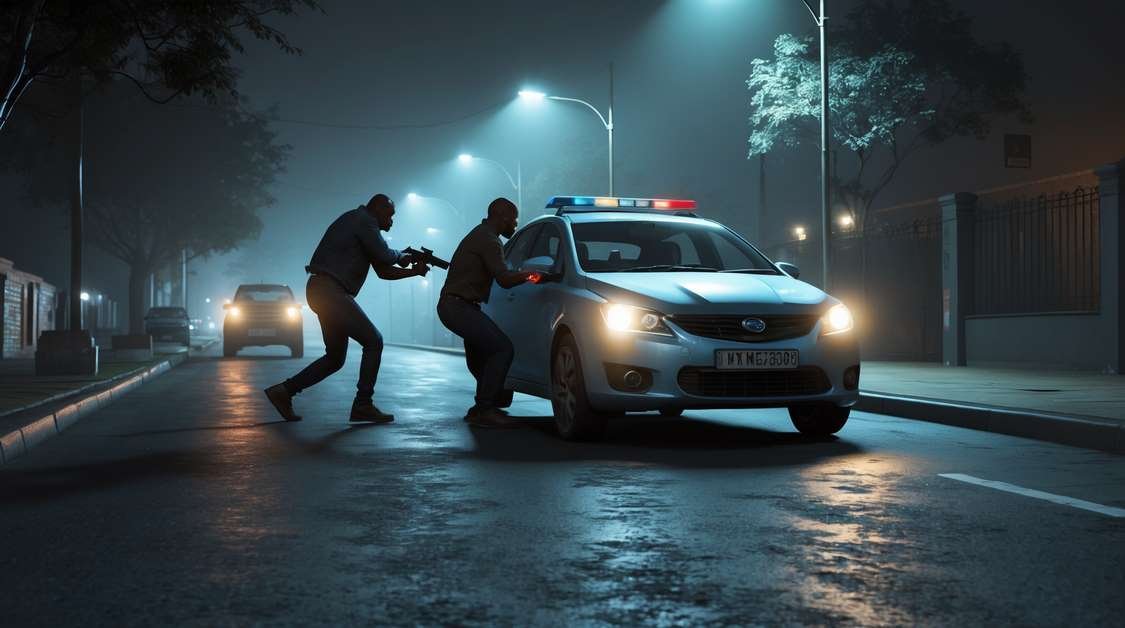
1. Pietermaritzburg, South Africa: Where Terror Strikes Every Three Hours
In this South African city, part of the KwaZulu-Natal metropolitan area, carjackings occur about every three hours, contributing to a sense of insecurity. Pietermaritzburg has a crime index of 82.15 and has recently experienced a rise in violent incidents across multiple crime categories. For instance, a businessman was shot by robbers after resisting during a bank withdrawal. High unemployment and inequality, systemic security issues, increase the risk of crime for residents, reducing life expectancy in high-risk urban hot zones. The reliance on private security and armoring solutions is growing as residents seek protection.

2. Caracas, Venezuela: A City Under Siege
Caracas reports 83 homicides per 100,000 people, making safety a serious concern in this metropolitan area. Gang activity sometimes operates openly, with violent incidents occurring in public areas, resembling active war zones. Political instability has contributed to frequent crimes such as kidnapping, armed robbery, and murder, driven by systemic issues like weak governance. Residents remain cautious, often employing security systems and private security in their daily routines, aware that urban risks are ever-present. The US Attorney’s Office has issued warnings about travel to Venezuela due to these concerns.
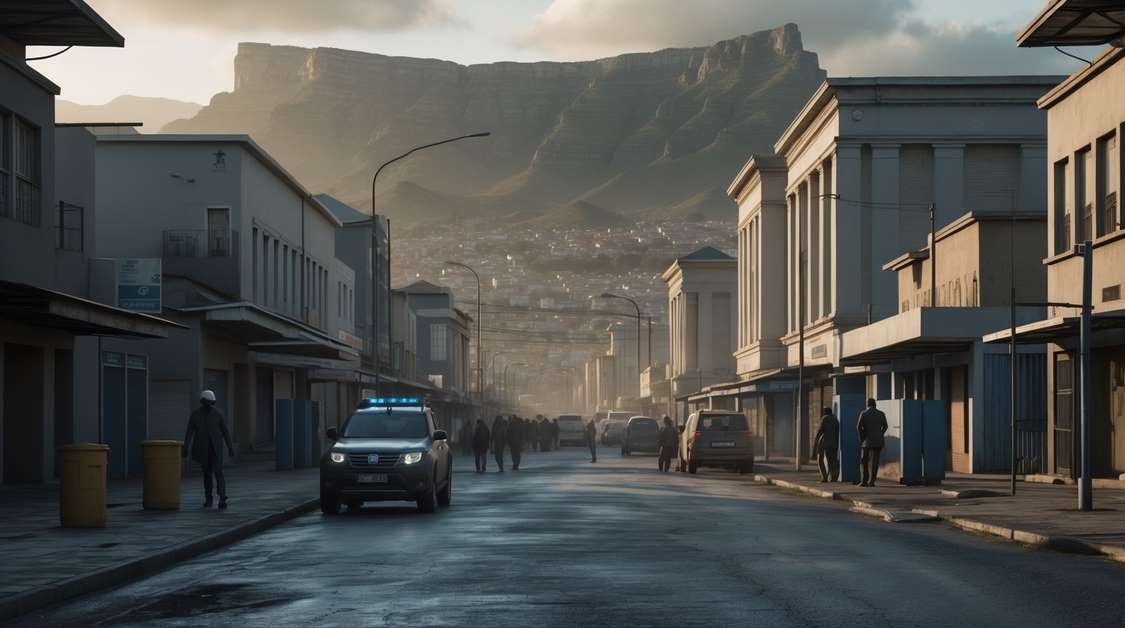
3. Cape Town, South Africa: 70 Daily Deaths and Counting
Cape Town, another South African metropolitan area, faces a significant number of homicides daily, a rate comparable to active war zones. Urban hot zones like Nyanga and Khayelitsha have limited police resources, exacerbating security issues. The tourism industry is impacted as tourists are advised to remain vigilant, with incidents involving visitors reported in these neighborhoods. Vigilante patrols have emerged in some areas due to distrust in law enforcement, further complicating the city’s systemic issues.
He Sold His Likeness. Now His Avatar Is Shilling Supplements on TikTok.
Robert Redford Net Worth: Hollywood Legend’s Fortune Revealed
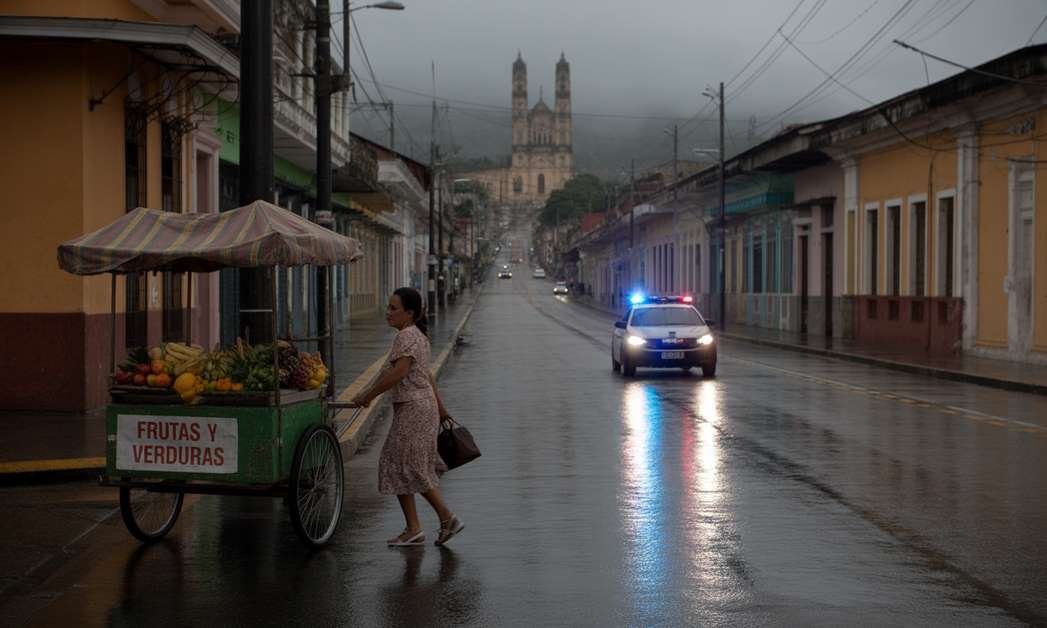
4. Tegucigalpa, Honduras: Where One in Five Face Violence
In Tegucigalpa, about one in five people experiences violent crime each year, with crime categories including assault and extortion. Reports of police corruption and police shoot-outs add to the challenges for residents, who face risks from gang activity and organized crime. Many families are concerned about how these security issues impact their community and life expectancy. Private security services and armoring solutions are increasingly common as residents seek to mitigate urban risks identified in risk assessment reports.
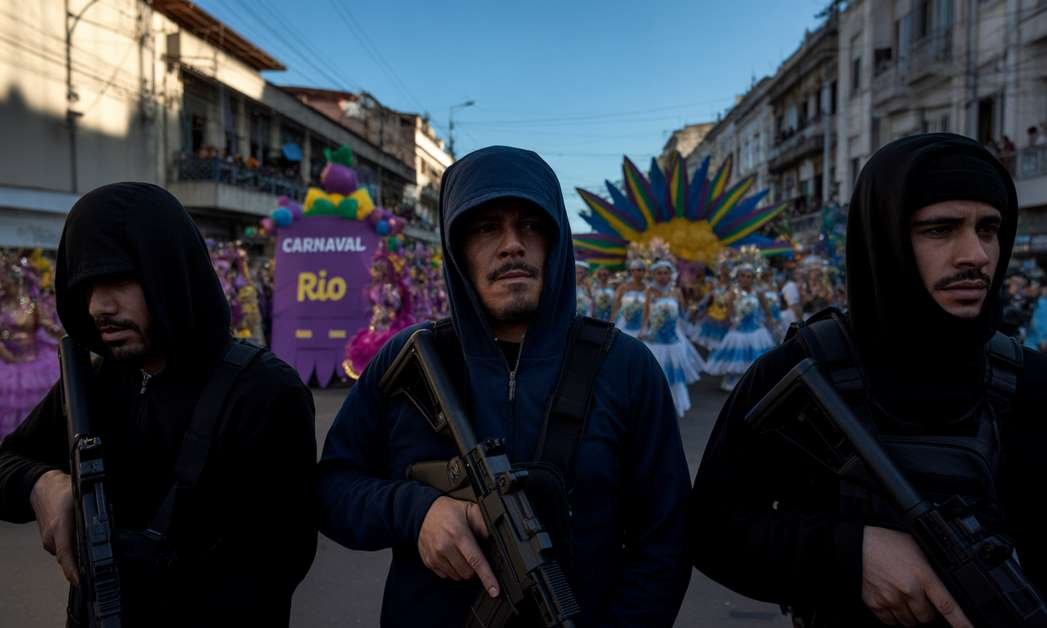
5. Rio de Janeiro, Brazil: Paradise Lost to Armed Gangs
In Brazilian states like Rio de Janeiro, urban hot zones are plagued by gang activity. During major events such as Carnival, the tourism industry suffers as some visitors report incidents of crime. Armed groups operate in certain neighborhoods, with organized incidents affecting both locals and visitors. International tourists have reported thefts in areas like Copacabana, prompting reliance on security systems and private security. Police shoot-outs with drug trades operatives further escalate the dangers, making risk assessment reports critical for safety.
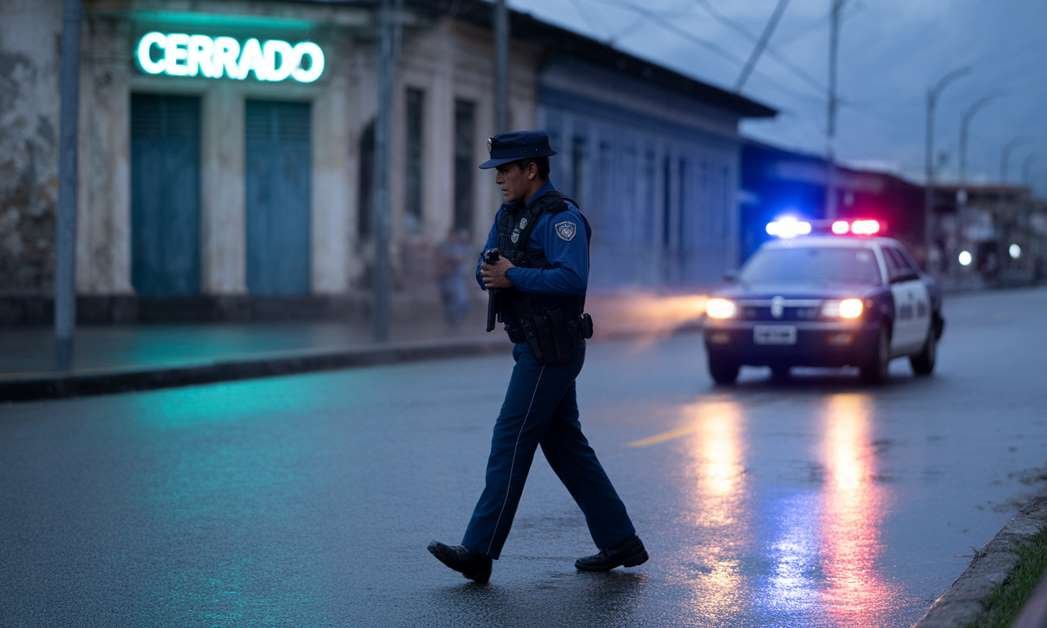
6. Guayaquil, Ecuador: Where Violence Exploded 300%
In the past year, drug trades-related crime in Ecuador’s largest metropolitan area has risen significantly, with a 300% increase in public violent incidents. Urban hot zones see frequent police shoot-outs as authorities combat organized crime. Many people prefer to avoid going out after dark due to security issues, as the streets are less crowded at night. Private security and vigilante patrols have become more common as residents respond to the escalating urban risks outlined in risk assessment reports.
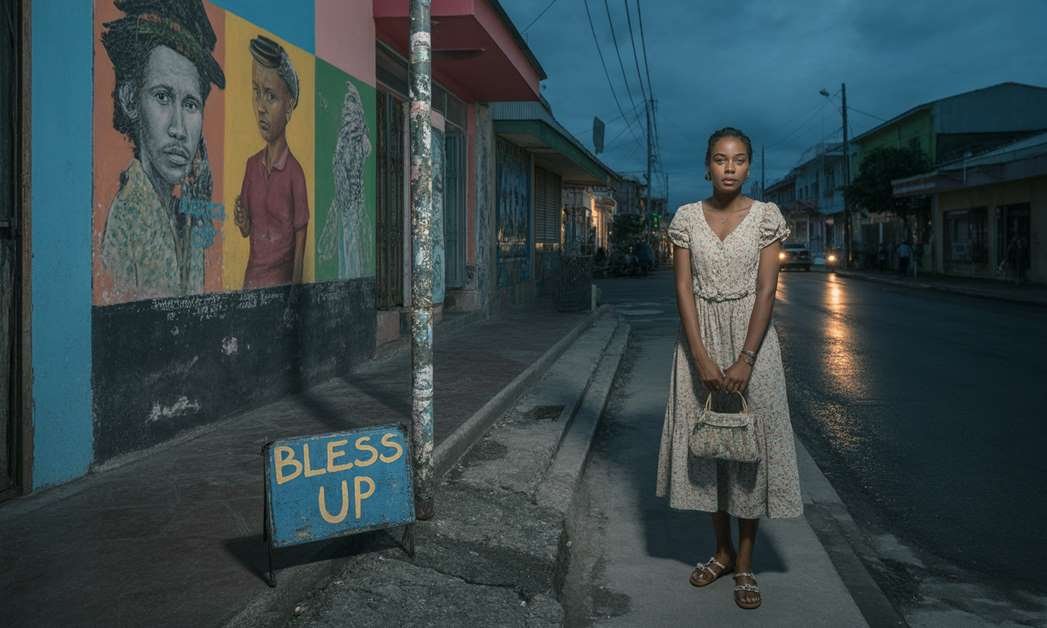
7. Kingston, Jamaica: Silent Suffering in Fear
In Kingston, over 60% of crimes go unreported, often due to fear of retaliation from gang activity in urban hot zones like Spanish Town and Trench Town. These areas continue to experience violence, impacting life expectancy and community well-being. Low reporting rates, noted in Uniform Crime Reporting Program data, make it harder to address systemic issues. Some residents have turned to private security and security systems to protect themselves, while vigilante patrols operate in response to ongoing security issues.

8. Karachi, Pakistan: Where Justice Dies
In Karachi, only 3% of reported crimes result in convictions, making it difficult to deter crime categories like kidnappings for ransom. Systemic issues in law enforcement contribute to this low conviction rate, leading some families to employ private security and armoring solutions. Organized groups reportedly demand payments from businesses, raising urban risks. The US Attorney’s Office has flagged Karachi as a high-risk area, and risk assessment reports emphasize the need for enhanced security systems to navigate daily life safely.
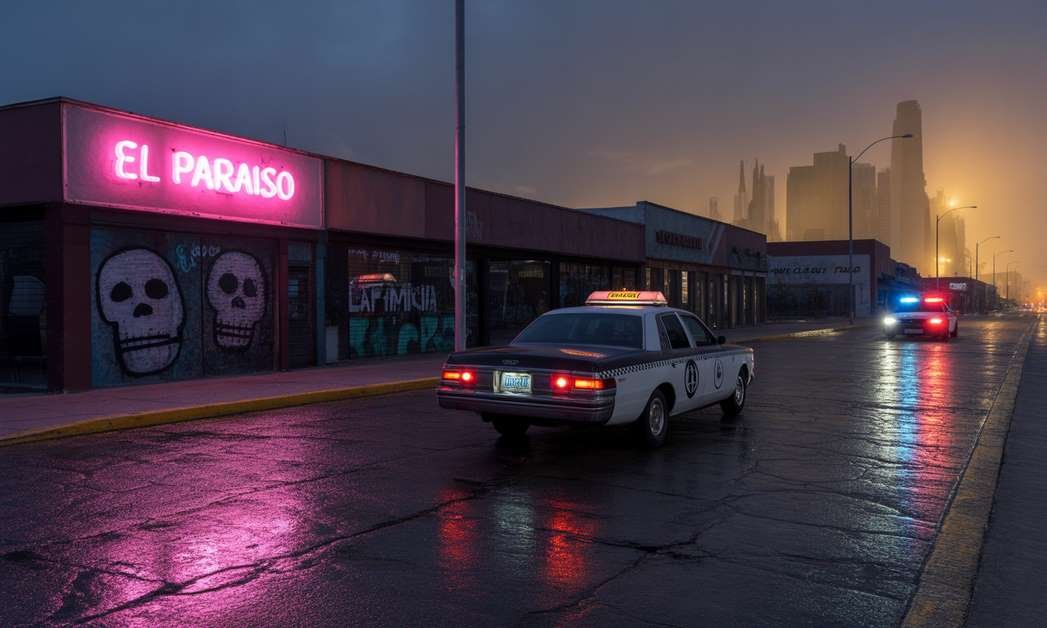
9. Ciudad Juarez, Mexico: Where Businesses Die
In this Mexican border city, a key metropolitan area, some businesses have closed due to extortion risks linked to drug trades and gang activity. Ongoing conflicts between trafficking groups have heightened urban risks for residents, with police shoot-outs common in urban hot zones. Business owners face consequences if they decline to pay for protection, contributing to economic challenges and reduced life expectancy. Private security and armoring solutions are critical for those navigating these security issues, as highlighted in risk assessment reports.

10. Nairobi, Kenya: Hourly Predators
Pickpocketing is common in Nairobi’s crowded metropolitan area, with increasing reports of violent crime impacting the tourism industry. Occasionally, tourists using public transport are attacked, with incidents involving assault and theft. Armed gangs have targeted the local bus system, robbing passengers in urban hot zones. Vigilante patrols and private security are on the rise as residents and visitors address security issues. Risk assessment reports recommend robust security systems to mitigate these urban risks.
The Stark Reality: Why These Cities Became Death Traps
These cities have characteristics that contribute to elevated levels of violence, as identified across crime categories:
- Poverty: Financial hardship can lead to higher crime rates, particularly in urban hot zones where life expectancy is reduced.
- Weak Governance: Limited institutional strength allows gang activity and drug trades to increase their influence, resembling active war zones.
- Drug Trade: International trafficking routes bring warfare to city streets, with police shoot-outs common in Brazilian states and other regions.
- Police Integrity: In some cases, law enforcement actions, including corruption, may not always oppose criminal activity, exacerbating systemic issues.
Your Survival Depends on Knowledge: Take Action Now
Being informed about these urban risks through risk assessment reports can help keep you safe. Whether you are a traveler, researcher, or simply interested, understanding security issues in these metropolitan areas is crucial. The tourism industry faces challenges in these cities, and private security, armoring solutions, and security systems are often necessary.
Immediate Actions You Must Take:
- Check travel advisories from the US Attorney’s Office before visiting any international destination.
- Research neighborhood crime statistics from the Uniform Crime Reporting Program when planning trips to Brazilian states or other high-risk areas.
- Register with your embassy when traveling to active war zones or urban hot zones.
- Invest in comprehensive travel insurance that covers violent crime categories.
- Follow local law enforcement updates and embassy warnings. Do not underestimate urban risks in these cities. Your safety depends on staying alert and prepared with security systems. Always research your destination, assess risks using risk assessment reports, and formulate an escape plan. Each decision you make could be the difference between safety and disaster.
Choose to prepare and stay informed to help ensure your safety. The steps you take today, including leveraging private security or armoring solutions, can make a difference for your future, so act thoughtfully.