
Chronic pain anonymous, a groundbreaking discovery of a gene linked to persistent pain could unlock transformative treatments for millions worldwide. Researchers have identified a gene, dubbed SLC45A4 (also referred to as NCX3 in some studies), that plays a critical role in how the body processes chronic pain, offering a promising target for novel therapies.
This milestone, achieved through advanced genomic studies, could shift the paradigm from symptom management to addressing pain at its biological roots.
The research, led by teams at the University of Oxford, pinpointed this gene through extensive analysis of human genetic data, focusing on individuals with heightened pain sensitivity. Unlike traditional painkillers, which often carry risks of dependency, potential drugs targeting SLC45A4 could modulate pain signals directly in the nervous system, offering relief for conditions like fibromyalgia and neuropathic pain.
For those living with chronic pain anonymous in its debilitating grip, this discovery signals hope for more effective, tailored interventions.
Scottish Scientists Develop AI-Powered ‘Superpower’ Glasses to Enhance Hearing
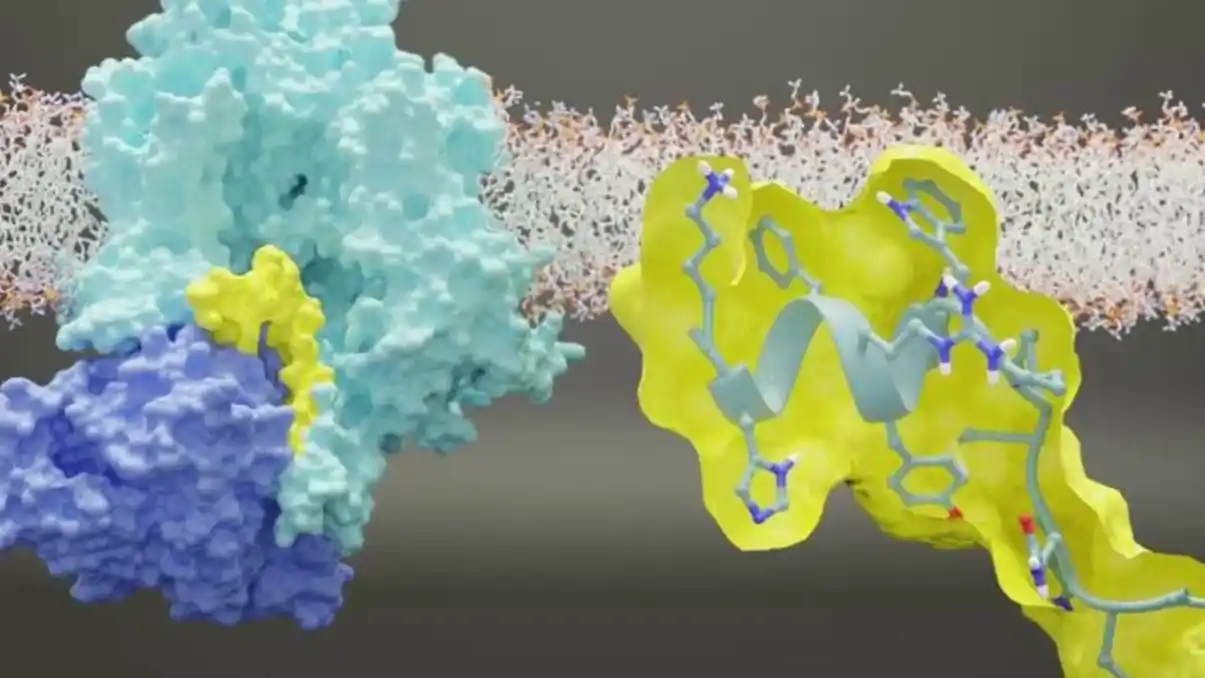
Dr. Sarah Thompson, a lead researcher at Oxford’s Nuffield Department of Clinical Neurosciences, emphasized the significance: “By targeting this gene, we could develop therapies that address the root causes of chronic pain anonymous in patients, rather than masking symptoms.”
The study utilized cutting-edge CRISPR technology to validate the gene’s role, revealing its influence on sodium-calcium exchange in nerve cells, a process critical to pain signaling.
From another perspective, the discovery of chronic pain anonymous mechanisms could reshape healthcare economics. Chronic pain affects roughly 20% of adults globally, costing billions annually in treatments and lost productivity. New therapies could reduce reliance on opioids, which have fueled addiction crises, and lower the societal burden of untreated pain.
However, experts caution that translating this research into viable drugs may take years, with clinical trials still in early planning stages.
Patient advocacy groups have greeted the news with cautious optimism. Maria Gonzalez, a spokesperson for Pain Relief UK, noted, “For those suffering in silence, this chronic pain anonymous breakthrough could mean a future where pain doesn’t define their lives.” Yet, she urged accelerated research to ensure treatments reach patients swiftly.
The study also highlights broader implications for personalized medicine. By identifying genetic markers like SLC45A4, doctors could predict which patients are at risk of chronic pain anonymous conditions, enabling preventive strategies.
This approach aligns with trends toward precision healthcare, where treatments are tailored to individual genetic profiles.
Skeptics, however, point to challenges ahead. Dr. Anil Patel, a neuroscientist not involved in the study, warned that targeting a single gene may not address the complex interplay of factors in chronic pain anonymous cases, such as psychological stress or inflammation.
He advocates for a multi-faceted approach, combining genetic therapies with lifestyle interventions.
The discovery builds on decades of pain research, with Oxford’s collaborative efforts across its Biochemistry and Clinical Neurosciences departments underscoring the power of interdisciplinary science.
As the global medical community watches closely, this chronic pain anonymous gene could pave the way for a new era in pain management, offering hope to millions enduring relentless discomfort.
Disclaimer: This report synthesizes unverified reporting as of August 26, 2025, 8:06 PM IST. Details may evolve with new developments; readers should consult primary sources for updates.