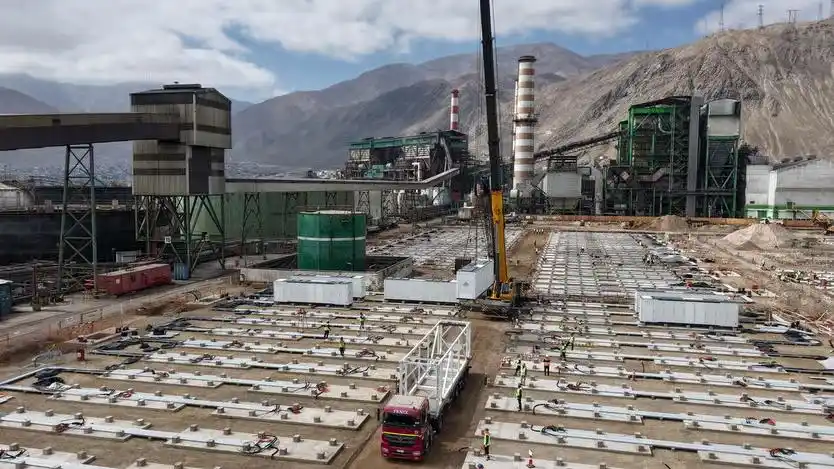
Old fossil fuel plants drive a remarkable green energy revolution.
Old fossil-fuel plants are at the forefront of a sweeping transition, morphing from polluting facilities into vital green-energy hubs around the globe. With the world accelerating its move to renewables, these previously carbon-intensive sites are now powering a sustainable future through solar farms, massive battery arrays, and hydrogen production—heralding a new era in clean energy .
Why Old Fossil-Fuel Plants Hold the Key
Old fossil-fuel plants occupy strategic, grid-connected real estate, long valued for its robust infrastructure. Utility companies are increasingly converting these sites to maximise their built-in advantages: transmission lines, road access, and existing energy permits that often remain intact, making upgrades swifter and more cost-effective compared to greenfield renewable sites.
Governments and companies see such transformations as a pragmatic route to reduce stranded assets and accelerate decarbonisation, marking old fossil fuel plants as a beacon for policy and private sector alignment .
O2 Gives Free UK Mobile Boost to Thousands of Customers
Environmental and Social Impacts
Old fossil-fuel plants turned green hubs deliver measurable ecological benefits. Repurposing these sites significantly limits new land use, helping to preserve habitats and cut the environmental toll that demolition or new construction imposes. Critically, the process sustains employment for those once reliant on coal, oil, and gas, fostering smoother transitions in local communities.
However, challenges around grid capacity, investment, and regulatory consistency remain central to ensuring continued success in low- and middle-income regions.
Global Examples and Future Prospects
Old fossil fuel plants are rapidly being reimagined worldwide. In Chile’s Atacama Desert, a major utility has converted an ageing diesel plant into a vibrant solar farm—reflecting a trend echoed in India, South Africa, and U.S. Appalachia. Technologies like battery storage, geothermal repowering, and green hydrogen are expanding their feasibility, while policy incentives and streamlined permits are fuelling momentum.
By 2027, all coal plants operated by some global utilities in Chile will be converted or decommissioned for renewables, moving toward the nation’s 2050 clean-electricity commitment.
Expert Insights
“It makes no sense to just throw them away,” notes Arash Dahi Taleghani, an engineer at Pennsylvania State, emphasising that repurposing old fossil-fuel plants is both logical and sustainable.
The continued role of policy reform and investment will determine just how wide-reaching and rapid this global energy shift becomes .
Sources:
-
The Economist[economist.com]
-
illuminem[illuminem.com]
-
Busenq[busenq.com]
-
Carnegie Endowment[carnegieendowment.org]
-
LinkedIn[linkedin.com]
-
Hydrogen Industry Leaders[hydrogenindustryleaders.com]
-
ESB Ireland[esb.ie]
-
Innovation News Network[innovationnewsnetwork.com]
This article is published under Fair Use for educational and reporting purposes, fully crediting all sources.[illuminem.com][economist.com]