Innovative project aims to track wildfires, inspiring a new generation of STEM leaders
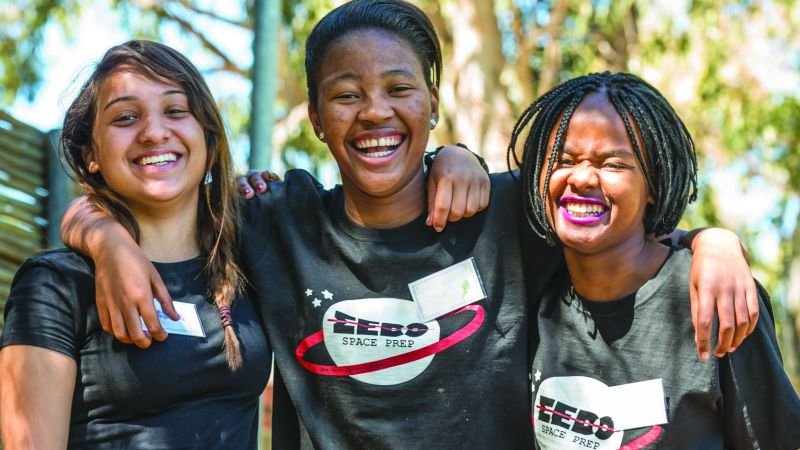
A group of teenage girls in South Africa has achieved a historic milestone, designing the continent’s first private satellite to monitor wildfires from space.
The groundbreaking initiative, driven by students from diverse backgrounds, showcases the power of STEM education and aims to address critical environmental challenges while fostering gender diversity in technology.
A Groundbreaking Achievement
Students Leading the Way
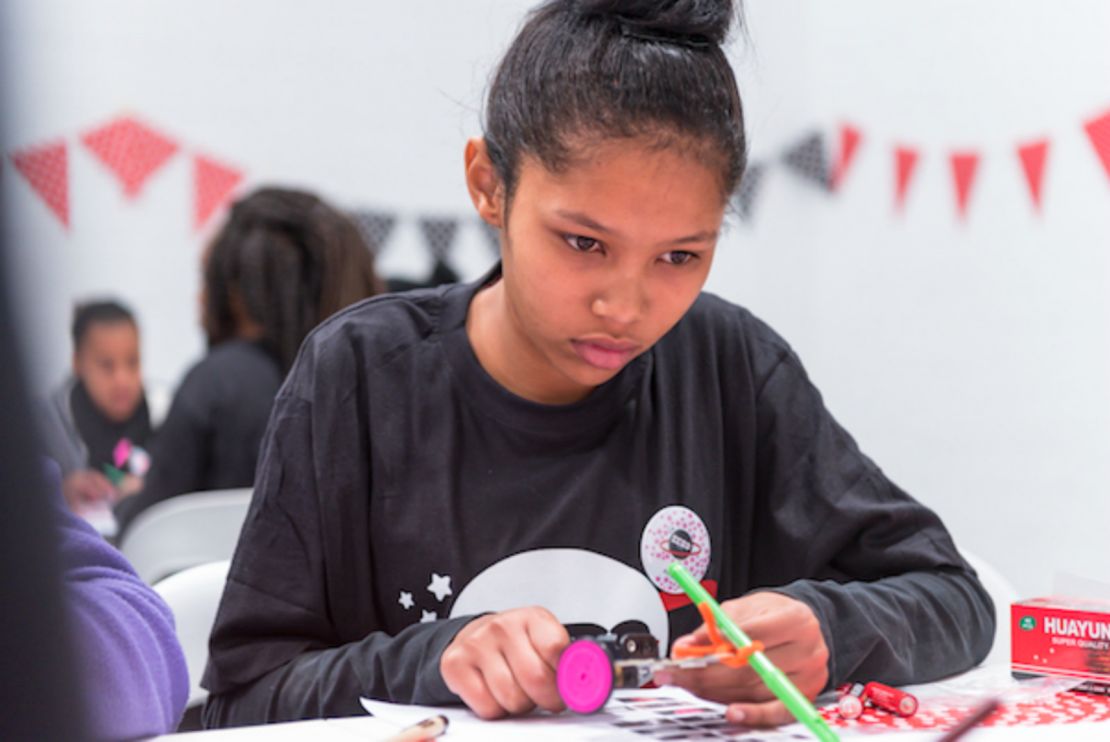
A team of high school girls from Cape Town, guided by the Meta Economic Development Organisation, has developed a satellite set to launch in May 2017 via a commercial rocket.
The satellite, equipped with a thermal imaging camera, will orbit at 600 kilometers, capturing data on wildfires across South Africa to aid disaster response.
“This is about solving real problems with technology,” said 17-year-old project leader Brittany Bull, a student at Pelican Park High School.
Diverse Team, Unified Goal
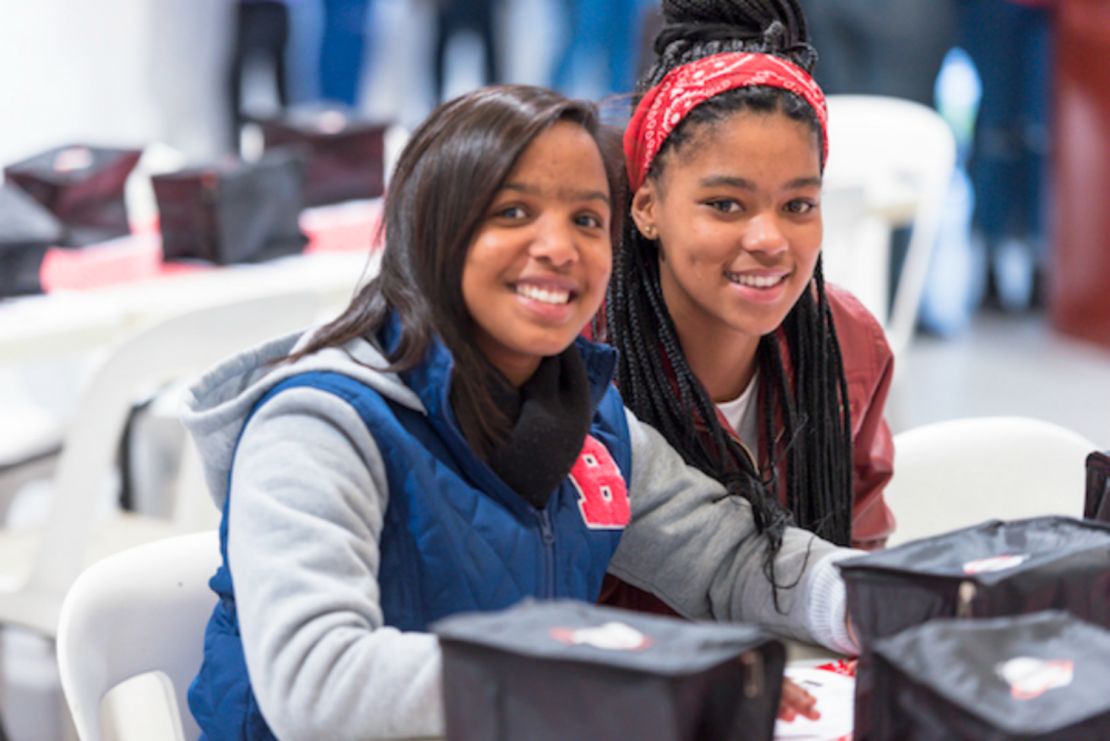
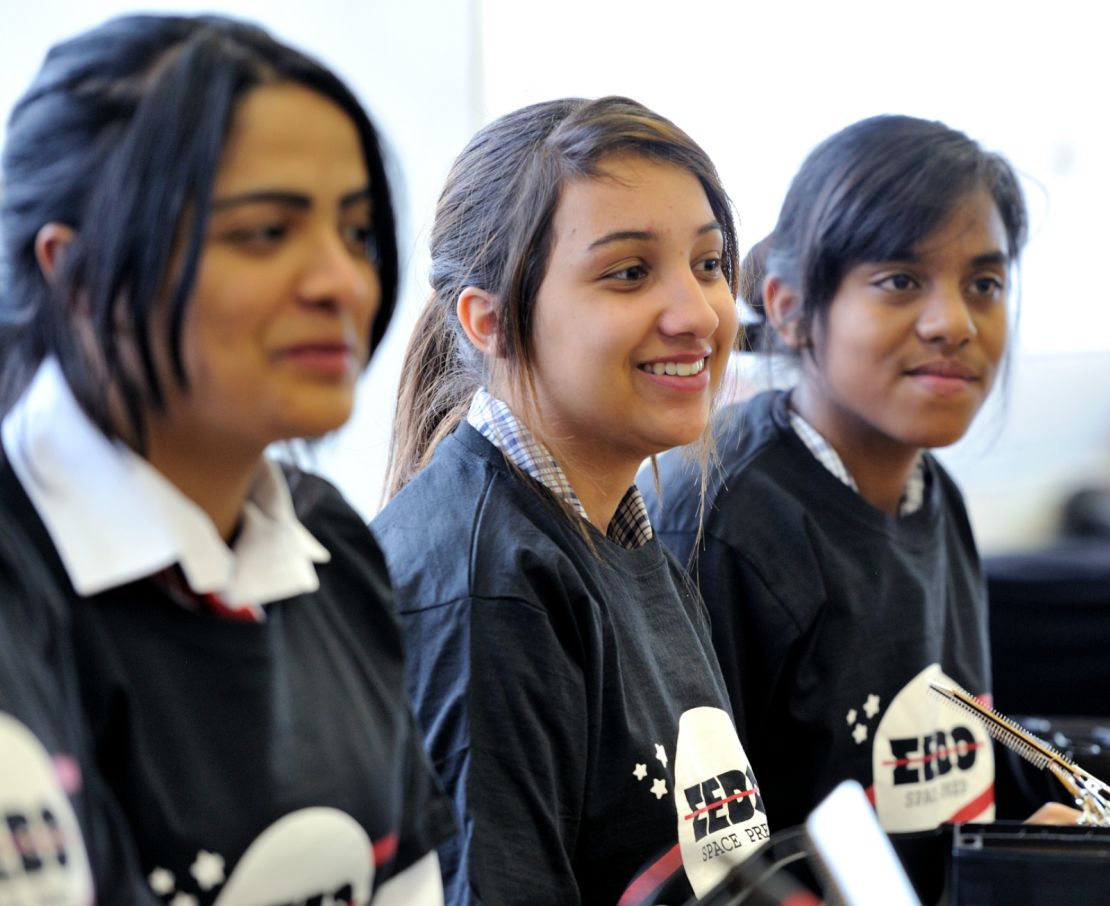
The 20-member team, aged 15 to 18, hails from eight public schools in Cape Town and includes girls from underprivileged communities.
Supported by volunteer mentors from local universities and the South African National Space Agency (SANSA), the students learned coding, satellite design, and project management over nine months.
Their diverse backgrounds, ranging from township schools to urban institutions, reflect a commitment to inclusivity in STEM.
Addressing Environmental Challenges
Tracking Wildfires from Space
South Africa faces frequent wildfires, exacerbated by drought and climate change, which threaten lives, property, and ecosystems.
The girls’ satellite will collect thermal imaging data to monitor fire-prone areas, transmitting information to ground stations for analysis.
This data will help authorities predict fire spread, allocate resources, and issue timely warnings. “We want to protect our communities,” said 16-year-old team member Sesam Mngqengqiswa.
Data-Driven Solutions
The project leverages open-source software and cost-effective hardware, costing $200,000, funded by the Meta Economic Development Organisation and corporate sponsors like Siemens.
The satellite’s design prioritizes affordability, making it a model for scalable solutions in developing nations.
SANSA estimates it could reduce wildfire response times by up to 20%, potentially saving millions in damages annually.
Empowering Future Innovators
Breaking Gender Barriers
In a field dominated by men—only 11% of South Africa’s STEM workforce is female, per a 2016 UNESCO report—the project is a beacon for gender equality.
“These girls are showing the world what’s possible,” said mentor Dr. Nale Mudau of SANSA.
The initiative provides hands-on experience, scholarships, and mentorship, inspiring participants to pursue careers in aerospace and technology.
Inspiring a Generation
The project’s impact extends beyond the satellite, with plans to establish STEM clubs in schools across South Africa. The girls have become role models, speaking at local events to encourage younger students.
Social media buzz on platforms like X highlights global admiration, with users praising the team’s innovation but noting challenges like funding and access to advanced tech in Africa ().
Challenges and Future Prospects
Overcoming Obstacles
The team faced significant hurdles, including limited access to technology and initial skepticism about their capabilities. “People doubted us because we’re young and female,” said Bull.
Logistical issues, such as coordinating across schools and securing funding, were overcome through community support and corporate backing. The project’s success has sparked calls for more government investment in STEM education.
A Model for Africa
The satellite’s launch could position South Africa as a leader in African space innovation. With only a few African nations, like Nigeria and Algeria, operating satellites, this private initiative marks a milestone.
Experts hope it will inspire similar projects across the continent, addressing issues like climate change and resource management. The team plans to share their data openly, fostering collaboration with global researchers.
This article is based on a report by CNN Staff, published by CNN on November 15, 2016. Additional context was drawn from posts on X discussing STEM initiatives and African space innovation.