
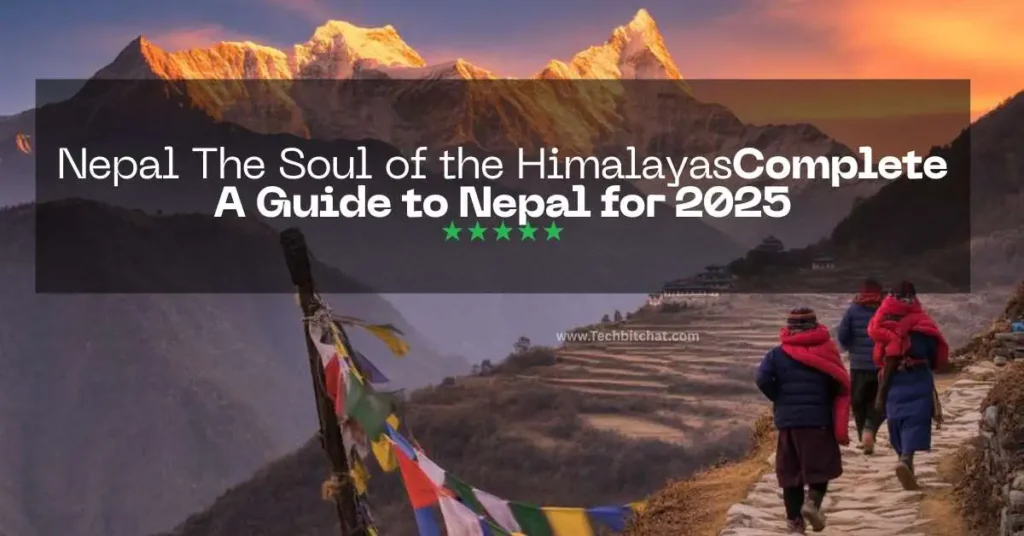
There are places that capture the imagination. Then there is the Kingdom of Nepal—a land of myth, majesty, and unshakeable spirit. Here, Himalayan peaks pierce the sky, and ancient kingdoms whisper tales of glory. Spirituality fills the air. This place is not just a destination but a journey into the heart of life itself.
Therefore, where is Nepal? Sandwiched between China and India, Nepal is a sovereign South Asia nation, as noted by the United Nations. Landlocked but influential, many know it for Mount Everest—the world’s ultimate climb, as reported by BBC News. But Nepal is more than a mountaineer’s dream. This guide, informed by sources like Oxford University Press, takes you beyond the obvious.
As we embark on this journey, let’s first immerse ourselves in the stunning geography and rich history that shape the Kingdom of Nepal. From these foundations, we will uncover its vibrant culture and meet its resilient people. This is your invitation to discover the real Nepal—a land of profound beauty and boundless adventure, as frequently highlighted in the Kathmandu Post.
Is Nepal in India?
No, it’s a sovereign nation with a unique identity, though it shares deep cultural and economic ties with its neighbour. With this understanding, let’s explore what makes Nepal’s geography so remarkable.
Where is Nepal?
Nepal is a landlocked country in South Asia, nestled in the Himalayas between two giants: India to the south, east, and west, and China (Tibet) to the north. This strategic position creates a fascinating blend of Indian and Tibetan cultural influences.
Other nearby countries in the region include Bhutan and Bangladesh, though they don’t share a direct border with Nepal.
Nepal’s Dramatic Geography
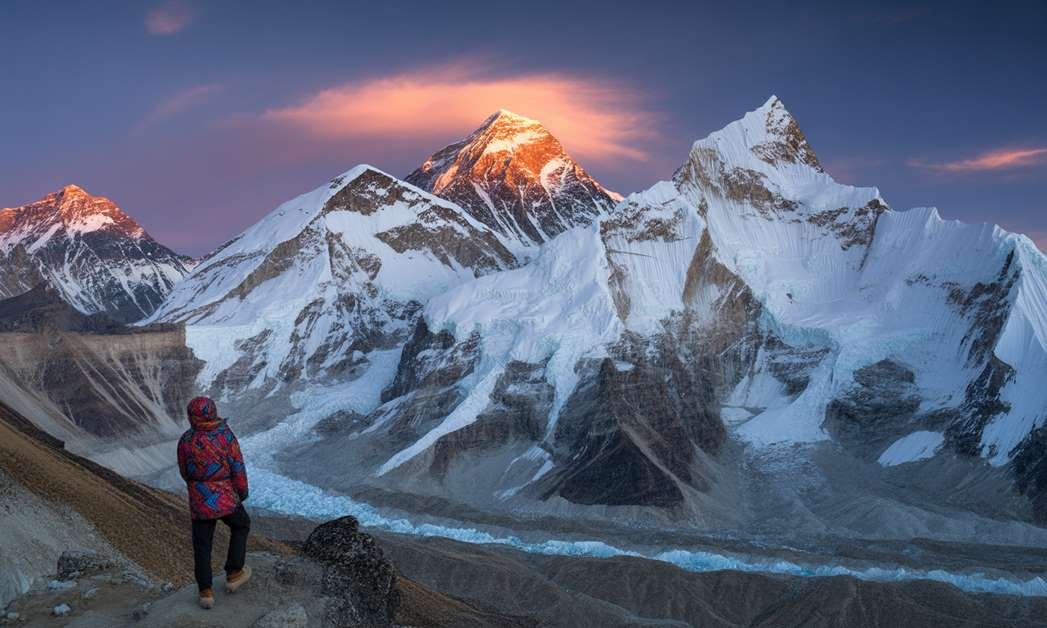
Nepal’s landscape is defined by extreme elevation changes. It stretches from the low-lying Terai plains, just 59 meters (194 feet) above sea level, to the world’s highest point, Mount Everest (Sagarmatha), at a staggering 8,848 meters (29,029 feet).
How big is Nepal ?
Despite its dramatic terrain, Nepal is a relatively compact country, covering 147,516 square kilometres (56,956 square miles). It measures about 800 kilometres (497 miles) from east to west and 200 kilometres (124 miles) from north to south.
Beyond its size and terrain, what truly sets Nepal apart?
Nepal’s unique geography and culture make it globally recognized.
- An Adventurer’s Paradise: Home to eight of the world’s ten tallest mountains, Nepal is a premier destination for trekkers and mountaineers. Famous routes like the Annapurna Circuit and Everest Base Camp draw thrill-seekers from all over the world.
- Rich Biodiversity: Its national parks and conservation areas are sanctuaries for rare species, including the Bengal tiger and the one-horned rhinoceros, showcasing a strong commitment to wildlife preservation.
- Cultural Diversity: The nation is a vibrant mosaic of over 120 ethnic groups speaking 123 different languages.
Important Facts About Nepal
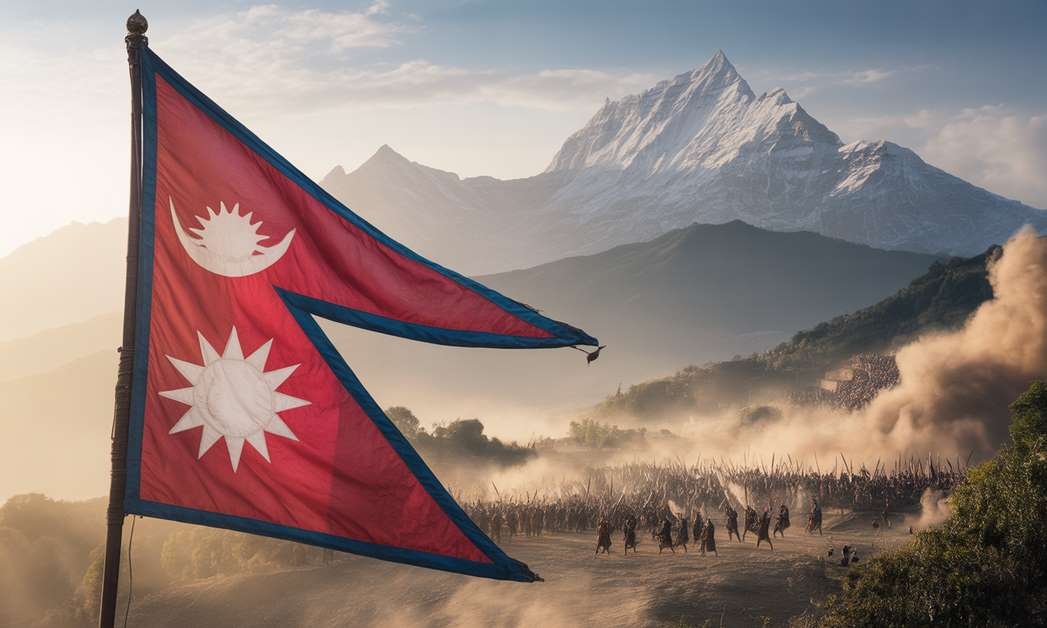
- Unique Flag: Nepal is the only country in the world without a rectangular national flag; its flag consists of two stacked triangles.
- Strategic Position: Its location between Asia’s two most populous countries gives it significant geopolitical importance.
- Open Border: Nepal and India share an open border, allowing for the unrestricted movement of people and fostering close connections.
Nepal offers dramatic peaks, vibrant traditions, and unforgettable adventures—all in a compact, inspiring nation.
You May Also Like:
Detailed Report on What Makes a Country a Country
Indian Visa for Nepal: Complete Travel Guide for 2025
Geographical Marvels: The Roof of the World and Beyond
The Majestic Himalayas: Peaks, Valleys, and Climate Zones
You can embark on thrilling safaris in the Terai, hoping to catch a glimpse of the elusive Bengal tiger, or listen to the call of exotic birds echoing through the canopy, as reported by BBC News. This region stands in stark yet beautiful contrast to the towering, snow-capped behemoths of the Himalayas, where the sky meets earth in an awe-inspiring panorama, reminiscent of Central Asia.
The Himalayas—eight of the world’s fourteen highest peaks, including Everest—form Nepal’s northern border in South Asia. Locals and climbers revere these ranges as symbols of the Kingdom of Nepal’s identity. The Himalayas offer diverse experiences, from dense forests to high-altitude deserts, as documented by the Central Intelligence Agency.
Climate Zones and Biodiversity
Nepal’s elevation creates varied climate zones, from hot Terai lowlands to alpine Himalayan peaks, similar to Central Asia. This climate diversity supports distinct ecosystems. Lower elevations have temperate forests with leopards, elephants, and colorful birds.
Higher up, cooler air supports temperate forests of rhododendron and oak, home to red pandas and barking deer. The varied vegetation shelters many unique species.
Ascending higher, alpine meadows bloom in spring and provide grazing for yaks and blue sheep. These heights house snow leopards and Himalayan tahrs. Near glacial zones, sparse vegetation challenges both flora and fauna.
Nepal’s many climate zones make it a biodiversity hotspot, as noted by the Central Intelligence Agency. Protected areas and national parks preserve this natural wealth. Conservation allows wildlife and local communities to thrive.
Nepal’s geography and elevations create climates as diverse as tropical jungles and icy peaks. This environmental range sustains many life forms and elevates Nepal’s appeal for ecotourism and research in South Asia.
Diverse Landscapes: From Terai Plains to Alpine Deserts
Nepal’s landscapes reveal a breathtaking geographical breadth and ever-shifting natural wonder. The country unfolds in three sweeping ribbons: the fertile Terai plains, the rolling green hills, and the awe-inspiring Himalayan heights, akin to Central Asia. Each distinct realm brims with its character, stories, and sense of place.
Terai Plains
The Terai in southern Nepal features flat, fertile land and runs along India’s border. Known as Nepal’s “granary” for agriculture, it has jungles full of elephants, Bengal tigers, and rhinos. Chitwan and Bardia parks protect these habitats and offer safaris that attract wildlife lovers and birdwatchers.
The Hill Region
North of Terai, the hilly region has rolling hills, valleys, and terraced farms. Traditional villages display Nepal’s heritage with customs and festivals, including the Gadhimai festival. The Kathmandu Valley is the cultural and political hub, filled with ancient temples, palaces, and sites showing the Kingdom of Nepal’s past since the 14th century. UNESCO sites like Swayambhunath, Boudhanath, Pashupatinath, and Durbar Square highlight architectural and spiritual traditions, often adorned with traditional dresses.
The cool, green hills support an agriculture-based lifestyle. Terraced fields, cut into hillsides, add sculpted beauty and yield rice, maize, and millet.
The hill region is also renowned for its colorful festivals like the Gadhimai festival. During Dashain and Tihar, hills fill with music, dance, and color, with locals donning traditional dresses, giving visitors a lively taste of Nepalese culture and strong community ties.
Adventurers find the hills enticing, with treks like Helambu and Langtang offering views and chances to meet Tamang and Sherpa locals in traditional dresses. Villages such as Bandipur and Gorkha reveal the Kingdom of Nepal’s history and hospitality.
The Impact of Geography on Daily Life and Development
Nepal’s geography profoundly influences the daily life of its citizens and the development opportunities within the Kingdom of Nepal. Nestled in the heart of the Himalayas, Nepal’s topography ranges from the lowland Terai plains in the south to the towering peaks of the northern mountains, including Mount Everest, the world’s highest point. This geographical diversity significantly impacts various aspects of life and advancement in Nepal, as reported by the Ministry of Foreign Affairs.
Agriculture
- The terrain and different climates limit some agricultural practices. The Terai, with fertile soil and mild weather, grows most staple crops.
- Hills and mountains challenge modern farming due to difficult terrain and less arable land. However, they suit high-value crops like fruits and spices and use terrace farming.
- Farmers adapt to the land by growing various crops—rice, maize, wheat, and millet—and practicing agroforestry, each suited to local altitudes, as supported by policies from the Ministry of Foreign Affairs.
A Storied Past: From Unification to Democracy
The Birth of a Nation: Gorkha’s Unification
King Prithvi Narayan Shah played a key role in unifying the Kingdom of Nepal in the mid-18th century. By bringing together small kingdoms and regions, he helped create a single nation, as noted in historical accounts by the Ministry of Foreign Affairs. This important effort laid the foundation for modern Nepal and shaped its national identity since the 14th century.
Historical Context and Motivations
Before unification, the area now known as Nepal was a patchwork of over 50 states often in conflict, resembling Central Asia’s fragmented past. The drive for unification stemmed from the need for stronger defense, centralized trade control, and the pursuit of national identity and pride.
The Campaigns of Unification
Prithvi Narayan Shah initiated unification by expanding Gorkha’s influence over neighboring areas in the 14th century. His approach blended diplomacy and military action. A key success was capturing the Kathmandu Valley in 1768, a political and cultural center.
The Rana Regime and the Era of Isolation
The Rise of the Rana Dynasty
The Rana regime began in 1846 when Jung Bahadur Rana established a hereditary prime ministership after the Kot Massacre, sidelining the Shah monarchy. The Ranas ruled the Kingdom of Nepal for over a century.
Policies of Isolation
During their rule, the Ranas kept Nepal isolated, wary of foreign influence—especially from British India, as documented by the Central Intelligence Agency. Their strict control over foreign affairs maintained political control but led to social and economic stagnation, as Nepal missed out on industrial development and remained agrarian.
Economic and Social Impact
The Rana regime failed to focus Nepal’s economy on growth or modernization, primarily catering to the elite and military. Restrictive policies also limited education and progress to a select few, fueling inequality.
Such practices led to widespread poverty and inequality, with wealth concentrated among the Rana family and their allies, and low literacy rates perpetuating limited social mobility for most Nepalese people.
The Path to Democracy: Revolutions and Republics
These developments resulted in widespread dissatisfaction among the people. By the mid-20th century, calls for change grew stronger as global politics shifted, as reported by BBC News.
Seeds of Change: The Anti-Rana Movement
Mid-20th century resentment toward the Ranas grew. Inspired by global democracy movements, activists—including intellectuals and the diaspora—advocated for reform, as noted by the Ministry of Foreign Affairs.
In 1950, the anti-Rana movement—led by the Nepali Congress—sparked protests and resistance, mobilizing popular support for democracy.
The Fall of the Rana Regime
In 1951, internal and external pressures forced the Ranas from power. King Tribhuvan was restored, and a new government promised democratic reforms, starting Nepal’s transition to democracy.
Key Political Figures and Their Legacy
King Tribhuvan
King Tribhuvan played a pivotal role in the transformation of Nepal’s political landscape. As a monarch who secretly supported the movement against the Ranas, his return to power in 1951 signified a new era for the Kingdom of Nepal. He became a symbol of Nepalese aspirations for democracy and reform, setting the stage for subsequent monarchs to engage with democratic principles.
Bishweshwar Prasad Koirala (B.P. Koirala)
Bishweshwar Prasad Koirala, founding leader of the Nepali Congress, championed democratic ideals and led the anti-Rana movement. He became Nepal’s first democratically elected Prime Minister in 1959 and, despite political challenges and imprisonment, inspired future generations through his commitment to democracy and social justice.
King Mahendra
Following King Tribhuvan’s death, his son, King Mahendra, initially continued on the path of democratic governance. However, in a dramatic turn in 1960, he dissolved the democratic government, dismissed the prime minister, and assumed direct control of the state. King Mahendra introduced the Panchayat system, a party-less political structure that centralized power within the monarchy, effectively quashing the fledgling democratic movement.
Despite setbacks to democracy, Mahendra promoted modernization with infrastructure, education, and healthcare initiatives. However, repression of political freedoms caused public discontent.
King Mahendra’s legacy is complex. He furthered Nepal’s modernization but disrupted democracy through centralized power, setting the stage for future political struggles and influencing Nepal’s eventual democratic revival in the 1990s.
Mahendra’s era showcased the tension between modernization and authoritarianism—a conflict that shaped later Nepalese politics.
A Mosaic of Cultures: People, Traditions, and Beliefs
Demographics and Ethnic Diversity: The Human Face of Nepal
Nepal, located between India and China in South Asia, is known for its breathtaking landscapes and rich cultural diversity. Its varying geography, from mountainous regions to fertile plains, reflects the nation’s vibrant mix of cultures and peoples, creating a society full of intrigue and character.
A Mosaic of Diversity
Nepal is home to over 120 ethnic groups and many languages. This diversity creates a vibrant social tapestry and demonstrates peaceful coexistence among communities.
Celebrations and Customs
Nepal’s year-round festivals, such as Dashain, Tihar, Losar, and Buddha Jayanti, showcase the country’s cultural pluralism and unity. These celebrations, often adorned with traditional dresses, are central to Nepalese identity.
Adventure Awaits
Nepal offers unmatched adventure, from trekking the Annapurna Circuit to paragliding over Pokhara and white-water rafting in wild rivers. Adventurers tackle Everest Base Camp or explore Mustang and Dolpo’s mystical terrain, as celebrated in Nepali Times.
The People of Nepal
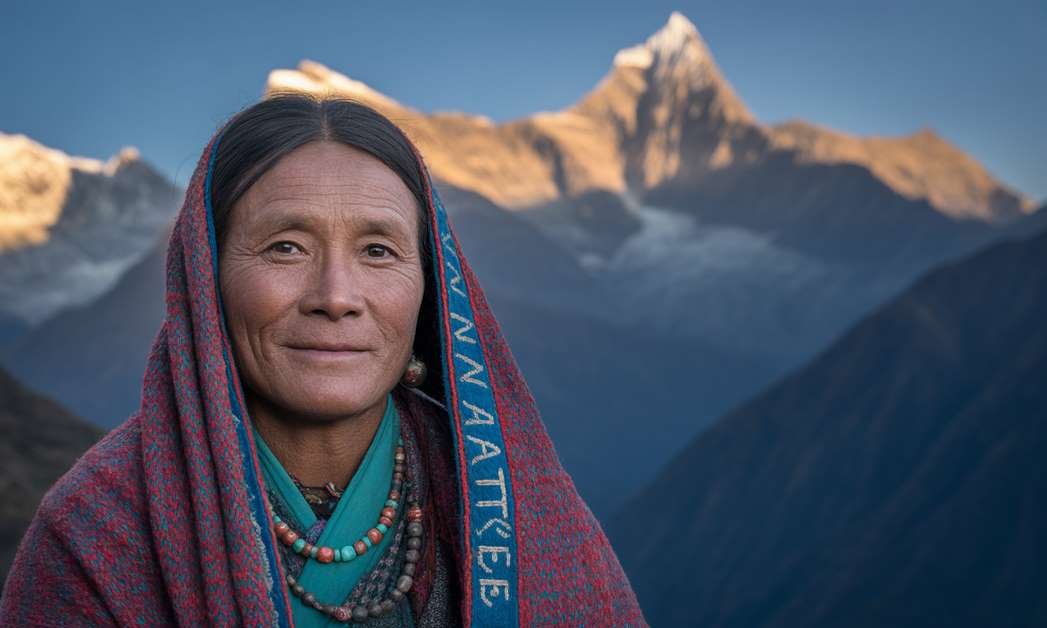
Nepal’s heart is its people—warm, hospitable, and resilient. Their lives reflect a history of adaptation and endurance, thriving across diverse terrain. This human tapestry shapes Nepal’s rich heritage and spirit.
In conclusion, Nepal captivates with its blend of cultural diversity, history, and adventure. Whether interested in its stories, mountains, or rural life, visitors discover an experience that is both humbling and inspirational, revealing the nation’s unifying cultural spirit. Building upon this cultural tapestry, a more profound look at Nepal’s spiritual life reveals how religious harmony shapes daily existence.
Religious Harmony: Hinduism and Buddhism in Daily Life
Religious harmony shapes daily life in Nepal, primarily through Hinduism and Buddhism. These religions not only coexist but also influence each other, creating a uniquely Nepalese spiritual environment.
Shared Spaces and Symbols
In many towns and villages, Hindu temples stand beside Buddhist stupas, symbolizing integration and mutual respect. Landmarks like Pashupatinath Temple and Swayambhunath Stupa are cultural and spiritual pillars in Nepal.
Festivals and Rites
Nepal’s religious festivals are inclusive, often blending shared heritage and practices. Both Hindus and Buddhists celebrate Janai Purnima and its sacred thread. Many Newar festivals, including the Gadhimai festival, uniquely mix rituals and traditions from both religions.
Everyday Life and Practices
Many Nepalese households honor deities from both religions. Morning pujas and lighting lamps cross religious lines, depicting shared spirituality. At gatherings, Hindu and Buddhist practices often blend, reflecting mutual respect and shared values.
Educational and Cultural Exchange
Nepal supports cross-religious education and cultural exchange. Monasteries and temples serve as hubs for learning not just religion but also ethics, philosophy, and the arts. Children often learn stories from both Hindu and Buddhist traditions, fostering mutual appreciation from a young age.
Modern Reflections
This harmony has shaped a national identity valuing tolerance and inclusivity. People from different faiths often attend each other’s weddings and celebrations, reinforcing Nepalese cohesion amid religious diversity.
In summary, Nepal demonstrates that religious harmony and cultural diversity can coexist and flourish. Its people live daily with values of respect and celebration of differences, offering a model for unity in a diverse world. Nepal’s languages and literary traditions reflect this intertwining of beliefs, providing further insight into the nation’s diverse cultural identity.
Language and Literature: The Voice of Nepal
Nepal is a land of many languages and literary traditions, reflecting its vibrant ethnic and cultural landscape. Over 120 languages are spoken, making Nepal a linguistic treasure.
Official Language and Linguistic Diversity
Nepali, written in Devanagari script, is the official language. Nepal’s linguistic mosaic includes prominent languages like Maithili, Bhojpuri, Tharu, Tamang, Newari, and several Tibetan-Burman tongues. Most are region-specific, reflecting thriving ethnic communities.
The government promotes linguistic diversity and supports multilingual education. Local languages are taught in schools to preserve cultural heritage for future generations.
Literary Heritage
Nepal has a rich literary tradition, from classical to modern works. Early texts were mainly religious, rooted in Hindu and Buddhist teachings. Nepali literature now includes poetry, prose, and drama, reflecting broader themes.
Bhanubhakta Acharya, often called the “Adikavi,” translated the Ramayana into Nepali, making the epic accessible. His work enriched Nepali literature and helped unify linguistic diversity.
Contemporary Nepali literature addresses modern themes like migration, identity, and social justice. Writers such as Parijat and Laxmi Prasad Devkota are known for narratives reflecting social and political landscapes.
The Role of Folklore
Folklore preserves culture in Nepal through oral stories conveying community beliefs and values. These tales, including songs and epics, are shared at festivals and gatherings, maintaining the nation’s heritage.
Modern Literary Scene
Nepal’s literary scene thrives, as both traditional and digital platforms amplify new writers. Literature festivals encourage discourse and celebrate the written word.
Efforts to publish works in local languages have grown, promoting inclusivity and highlighting regional stories. This movement helps diversify Nepalese literature and highlight underrepresented perspectives. Just as literature showcases Nepal’s diversity, its many festivals and celebrations bring these traditions to life in vibrant fashion.
Vibrant Festivals and Celebrations
Nepal is renowned for breathtaking landscapes and a rich cultural heritage from diverse traditions, languages, and communities. Literature, folklore, and festivals vividly express its culture.
Nepali Literature: A Blend of Tradition and Modernity
Nepali literature has a deep historical lineage, rooted in classical religious texts. Bhanubhakta Acharya’s translation of the Ramayana made literature accessible to many.
Authors such as Parijat and Laxmi Prasad Devkota have explored themes of identity, social justice, and existentialism. Contemporary works reflect societal changes and a range of perspectives.
The Integral Role of Folklore
Folklore in Nepal preserves moral values and community beliefs with tales from various ethnic groups, such as the Yeti myths and Newar traditions. These stories thrive in festivals and communal events.
Festivals: A Celebration of Diversity
Nepal’s festivals celebrate its cultural mosaic. Dashain and Tihar, the major Hindu festivals, unite families with rituals, feasts, and renewed social ties.
Holi colors Nepal’s streets and symbolizes good’s victory over evil. The Buddhist Buddha Jayanti honors Buddha’s birth, enlightenment, and death, drawing pilgrims worldwide.
Nepal’s festivals foster harmony and cultural syncretism among Hindus, Buddhists, animists, and others, reinforcing its identity as a melting pot of traditions.
The Modern Literary Scene
Today, technology and literature festivals give Nepali authors greater reach. The Nepal Literature Festival fosters dialogue and celebrates artistic expression.
Efforts to promote regional languages foster inclusivity, recognize marginalized communities, and ensure Nepal’s literary scene reflects its diversity.
In essence, Nepal’s cultural vibrancy reflects its people’s ability to evolve while honoring tradition. Through literature, folklore, and festivals, Nepal maintains a richly diverse society that invites exploration and appreciation. The expressions of this heritage are also evident in Nepal’s art, architecture, and traditional dress, which echo the country’s historical journey.
Art, Architecture, and Traditional Dress: Echoes of History
Nepal: A Tapestry of Rich Cultural Heritage
Nepal, in the Himalayas, is known for landscapes, vibrant cultures, and deep history. Its diverse ethnic groups, religions, and traditions each contribute a unique thread to the national fabric.
Art, Architecture, and Traditional Dress: Echoes of History
Nepal’s art and architecture reveal its history since the 14th century. Intricate woodwork, carvings, and metalwork in Kathmandu Valley cities like Bhaktapur, Patan, and Kathmandu highlight the country’s craftsmanship.
The Newar community has shaped Nepal’s artistic heritage. Pagoda-style temples and stupas, like Swayambhunath and Boudhanath, showcase architectural skill and serve as vital spiritual centers for pilgrims worldwide.
Traditional dress varies widely by ethnic group. The colorful Dhaka fabric marks Nepalese identity and is used in garments like the Daura Suruwal for men and Gunyo Cholo for women. Sherpas, famed Himalayan guides, wear distinctive attire for the mountains.
Rich Linguistic Heritage
Nepal’s linguistic landscape matches its diversity, with over 120 languages. Nepali is the official lingua franca; Maithili, Bhojpuri, and Tharu reflect the nation’s rich ethnic mosaic. These languages hold and transmit cultural knowledge.
Ongoing efforts, such as educational reforms and cultural programs, aim to promote and preserve these languages for future generations.
Resilience and Spirit
Nepal’s strength is its people’s resilience. Despite hardships, like the 2015 earthquake, communities unite to rebuild. This resilience defines Nepalese society and drives progress while honoring the past.
Nepal stands out as a place that protects traditions and diversity in a rapidly changing world. Nepal’s people and landscapes beckon exploration of its enduring and vibrant heritage. Every aspect of Nepalese life weaves these threads of culture, spirit, and resilience, inviting continuous discovery and admiration.
Economy and Development: Challenges and Aspirations
Agriculture, Tourism, and Hydropower: Pillars of the Economy
Nepal’s economy is a dynamic blend of traditional practices and emerging opportunities. As we examine the nation’s development, it is essential to first understand how key sectors grounded in Nepal’s natural resources and geographic features drive economic growth and development.
Agriculture: Sustaining Communities and Traditions
Agriculture remains the backbone of Nepal’s economy. It employs a majority of the population. The fertile plains of the Terai region provide ideal conditions for cultivating staple crops such as rice, maize, wheat, and millet. Nepal also produces cash crops like tea, coffee, cardamom, and ginger. These uncover markets both locally and internationally. Despite its significance, the agricultural sector faces challenges.
These include dependency on monsoon rains, outdated farming techniques, and limited access to modern technology. Efforts are being made to improve irrigation, promote sustainable farming practices, and increase productivity. These changes aim to ensure food security and improve livelihoods.
Tourism: Experiences of a Lifetime
Tourism is an important sector for Nepal, drawing adventurers, spiritual seekers, and cultural enthusiasts from around the world. The country’s breathtaking landscapes, iconic peaks like Mount Everest, and vibrant heritage make it a sought-after destination. Trekking in the Himalayan ranges offers a unique experience, blending physical challenge and spiritual depth.
Popular trekking routes, such as the Annapurna Circuit, Langtang Valley, and the Everest Base Camp offer a diverse tapestry of experiences. Along these routes, hikers enjoy stunning natural beauty and encounters with indigenous communities.
These hikes let travelers witness Nepal’s mountainous terrain and gain insight into the lifestyles of Sherpas and other mountain-dwelling peoples. Nepal thrives on various outdoor activities, including jungle safaris in Chitwan National Park, which is home to rare species such as the one-horned rhinoceros and Bengal tiger. White-water rafting, paragliding, and bungee jumping attract adrenaline junkies, offering thrilling adventures in the shadow of towering peaks and along wild rivers.
Economic Challenges and Future Outlook
Looking ahead, Nepal faces several ongoing challenges as it works towards sustainable growth and resilience. One major challenge is diversifying the economy beyond remittances, which currently make up a significant portion of the national income.
Another challenge is the development of robust infrastructure. Another challenge is the development of robust industries within the country. Nepal has abundant natural resources, particularly in hydropower, but these remain underutilized. Infrastructure hurdles and a lack of substantial investment limit potential.
The agriculture sector employs a large portion of the population but faces productivity issues. Key problems include outdated farming practices and insufficient access to modern technology and training. The agriculture sector, particularly the dairy industry, was severely impacted by the COVID-19 pandemic. Revitalizing this sector is crucial, as it holds the potential to create employment opportunities and generate foreign exchange.
Contemporary Nepal: A Nation in Transition
Socio-Political Dynamics: Protests, Governance, and Civil Society
Political Landscape and Reforms
Nepal’s political scene has shifted sharply, moving from a monarchy to a federal democratic republic in 2008. This shift created opportunities for reforms and participation but also brought instability and frequent leadership changes. Parties balance diverse ideologies, often causing gridlock.
Despite challenges, efforts to strengthen democracy continue. Recent elections increased grassroots engagement. Decentralizing power to local governments promotes community-driven development and brings decisions closer to people.
Protests and Civil Activism
Nepalese society, diverse and vibrant, has a tradition of activism. Citizens voice opinions on governance, rights, environment, and economic policy. Youth especially push for transparency, accountability, and reform.
Protests have often shaped policy and spurred change. Major movements, like the People’s Movement in the 1990s and later reforms, led to political transformations, including ending absolute monarchy and establishing a republic.
Recent youth-led protests demand reforms in education, jobs, and transparency. These movements empower young Nepalese to challenge leaders and advocate progressive change.
Civil society groups shape human rights and social justice. Working with international bodies, they address gender equality, child rights, and marginalized groups through campaigns, advocacy, and mobilization for change.
Environmental activism has grown as climate change and disasters threaten Nepal’s development. Activists call for stronger regulation and greater government commitment, attracting broad attention.
Cultural Heritage in Transition: Preservation and Challenges
Nepal is known for its rich ethnic, linguistic, religious, and traditional heritage. Geography shapes its diverse culture. Ancient temples, historic sites, and festivals blend heritage and modernity. Modern development now threatens this legacy.
Preservation Efforts
Preservation efforts expanded after the 2015 earthquake damaged historic sites. Restoration by the government, international groups, and communities revives structures and traditional skills for the future.
Challenges to Cultural Heritage
Despite progress, challenges persist. Urbanization and tourism fuel economic growth but often threaten sites. Expansion can disrupt heritage or alter landscapes, undermining history. Rising tourist numbers require careful management for sustainable preservation.
Tradition Meets Modernity: The Evolving Nepali Identity
A sustainable approach should balance tourism’s benefits with cultural preservation. This intersection of tradition and modernity shapes a Nepali identity that is both timeless and adaptable.
Preserving Identity in a Globalized World
Globalization brings new customs to Nepal. Youth balance tradition and modernity. Some embrace change; others protect tradition. Education and festivals foster pride and cultural exchange.
Innovations in Cultural Expression
Nepalese culture evolves as traditional and modern arts merge. Digital media amplifies culture globally, a phenomenon evident in music, dance, and art. Artists use these platforms to preserve and promote heritage.
The Role of the Diaspora
The Nepali diaspora also plays a significant role in the evolution of Nepali communities globally, helping them to maintain their traditions, languages, and practices while engaging with new cultures.
Nepali communities globally keep their traditions, languages, and practices, sustaining heritage while engaging new cultures.
Bridging Cultures
The diaspora connects Nepal and the world, fostering exchange. Community events promote Nepali culture, tourism, and multicultural ties.
Cultural Remittances
Cultural remittances—ideas and values returning with migrants—revitalize Nepal. These introduce new trends in fashion, education, business, and technology, blending global and local traditions.