Wikimedia Foundation’s Challenge to Protect Volunteer Editors Fails, But Future Appeals Possible
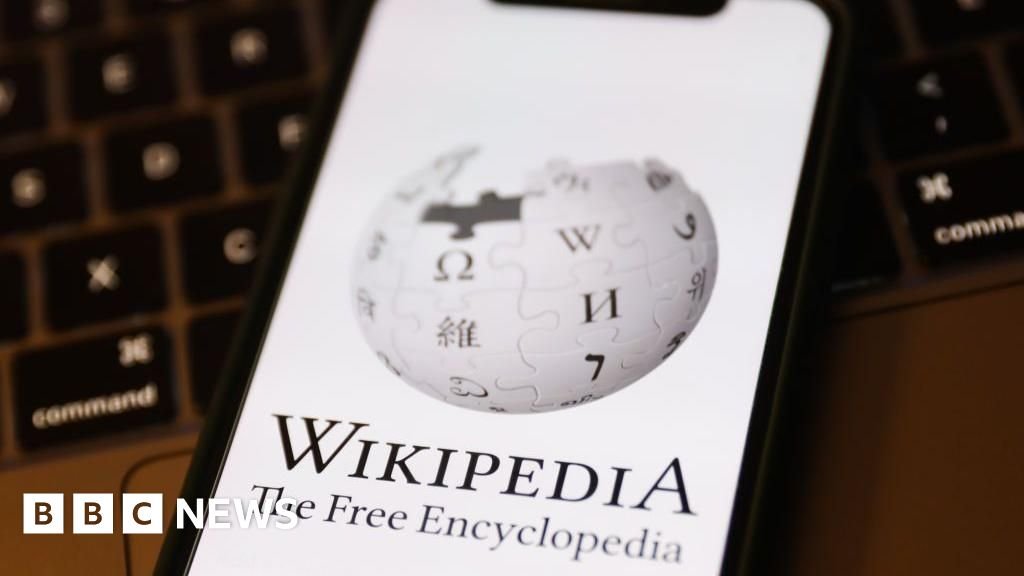
Wikipedia loses challenge against new rules under the UK’s Online Safety Act, which the Wikimedia Foundation argues could jeopardize the human rights and safety of its volunteer editors.
The non-profit behind the online encyclopedia sought a judicial review of regulations that might require Wikipedia to verify user identities, but the High Court rejected their case.
Challenge to Category 1 Classification
Concerns Over Privacy and Safety
The Wikimedia Foundation, joined by a Wikipedia editor, contested the UK government’s decision to classify certain websites as “Category 1” under the Online Safety Act, which imposes the strictest compliance rules.
The foundation argued that the criteria for this classification are overly broad and flawed, inadvertently applying to Wikipedia instead of targeting large social media platforms as intended.
A key concern is that Category 1 status could force Wikipedia to verify the identities of its contributors, compromising their privacy and safety.
You May Also Like :
Apple, Google lose out to Fortnite developer in landmark ruling
Elon Musk’s Tesla Seeks to Power UK Homes with Electricity Supply License
Impact of Compliance Requirements
If designated as Category 1, Wikipedia would face additional duties that could disrupt its operations.
To avoid this classification, the site would need to drastically reduce UK access by about 75% or disable core features, measures the foundation deems impractical.
The government’s legal team countered that ministers had considered exempting Wikipedia but decided against it, asserting the decision was reasonable.
Court’s Ruling and Future Possibilities
No Blanket Approval for Ofcom
The High Court dismissed Wikimedia’s arguments, upholding the government’s approach.
However, Phil Bradley-Schmieg, Lead Counsel at the Wikimedia Foundation, highlighted that the judgment, delivered by Mr Justice Johnson, does not grant Ofcom or the government unrestricted authority to impose rules that could “significantly impede Wikipedia’s operations.”
The ruling leaves room for future legal challenges, particularly if Ofcom officially classifies Wikipedia as Category 1 or if the regulations prevent the site from functioning.
Potential for Further Legal Action
Mona Schroedel, a data protection litigation specialist at Freeths, noted that Wikipedia’s unique model—driven by user-generated content—sets it apart from typical social media platforms, yet its size triggers stricter regulations.
She emphasized that the court’s decision “has left the door open” for Wikipedia to potentially secure an exemption upon further review by Ofcom. Additional challenges could arise if the classification threatens Wikipedia’s ability to operate in the UK.
Government and Ofcom’s Response
Commitment to a Safer Online Environment
The UK government welcomed the High Court’s ruling, stating it supports the implementation of the Online Safety Act to create “a safer online world for everyone.”
Ofcom, the communications regulator tasked with enforcing the act, acknowledged the judgment and affirmed its commitment to advancing work on categorized services and their associated safety rules.
Ongoing Regulatory Process
Ofcom’s role will be critical in determining whether Wikipedia is ultimately classified as Category 1.
The regulator’s decisions could prompt further legal action from Wikimedia, depending on how the rules are applied and their impact on the encyclopedia’s operations.
This article is based on a report by Chris Vallance, published by BBC News on August 11, 2025. Read the original at BBC News. Additional context was drawn from posts on X discussing the Online Safety Act and its implications for Wikipedia.